

Dummy Battery Manufacturers: How to Choose Reliable Camera Power Solutions
Time:Jul 16,2026
Source:
1.What Dummy Battery Manufacturers Actually Provide
Dummy batteries look like camera batteries, but they do not store energy. Instead, they replace the original battery and connect your camera, monitor or recorder to an external power source. Behind this simple idea sits a group of dummy battery manufacturers who design and build:
- Plastic or metal housings shaped like common battery types (LP‑E6, NP‑F, NP‑FW50, EN‑EL15 and many others).
- Internal contacts and wiring that match the device’s original battery interface.
- Voltage‑regulation circuits that convert input from AC adapters, V‑mount/D‑tap batteries or USB‑C PD into the correct DC level.
- Cables and connectors from the dummy battery to the external source: DC barrel plugs, D‑tap, USB‑C, 2‑pin, 4‑pin or custom circular connectors.
- For end users, this means you can power cameras and monitors continuously without swapping batteries, which is especially valuable in:
- Live streaming and long interviews.
- Studio photography and video where devices stay powered all day.
- Time‑lapse and long‑term recording.
- Machine vision and industrial imaging systems that must run unattended.
Manufacturers like Torven extend this concept further by offering dummy batteries together with camera power cables and adapters, fitting into a broader ecosystem of camera and vision accessories.
2.Main Types of Dummy Battery Manufacturers in the Market
Not all dummy battery manufacturers are the same. Understanding the main categories helps you match your project to the right supplier.
First, there are consumer accessory brands that focus on mainstream cameras: DSLR, mirrorless, and video cameras from major brands. They typically:
- Offer dummy batteries for popular models (Canon LP‑E6, Sony NP‑FZ100, Nikon EN‑EL15, Fujifilm NP‑W126, and so on).
- Provide USB‑C, AC or D‑tap input options so you can use power banks, wall adapters or V‑mount packs.
- Package products for retail, with simple instructions and plug‑and‑play operation for content creators and photographers.
- These are convenient if you need a quick solution for one camera model in a typical studio or streaming setup.
Second, you find professional video and cinema accessory manufacturers. They:
- Target cinema cameras, broadcast gear and high‑end mirrorless rigs.
- Integrate dummy batteries with V‑mount or Gold‑mount battery plates, cable management and rig mounts.
- Offer regulated voltage, higher current capability and robust cabling for demanding professional use.
- These suppliers suit productions where reliability, power distribution and rig integration matter more than low price.
Third, there are industrial and OEM‑oriented manufacturers—Torven fits in this category. They:
- Serve machine vision, industrial cameras, medical imaging, test labs and embedded systems.
- Provide dummy batteries and camera power cables tailored to specific devices and mounting conditions, not only retail brands.
- Offer customization of housing shape, cable length, connector type and voltage levels to match OEM requirements.
This last group is particularly relevant when you are integrating cameras into machines, kiosks or measurement systems, and you want stable, permanent power with flexible cabling rather than a standard “one size fits all” solution.

3.Key Technical Features to Check When Evaluating Dummy Battery Manufacturers
When you compare dummy battery manufacturers, you are really comparing how well they handle power electronics, mechanical fit and cable design. Pay attention to a few technical points.
- Voltage regulation and accuracy
The dummy battery must supply voltage that matches what the camera or device expects—often around 7.2–8.4 V, 12 V or 5 V, depending on the original battery. Good manufacturers integrate regulators that deliver stable output even when input fluctuates, for example with USB‑C PD or variable DC sources. - Maximum current and thermal design
Ensure the dummy battery and its cable can deliver enough current for your camera’s peak load (recording, streaming, powering accessories) with margin. Well‑designed units consider heat dissipation inside the housing, preventing hot spots that could trigger device warnings or shutdowns. - Connector and cable quality
Cables should be flexible enough for typical routing and long enough to reach your power source without strain. Connectors—from DC barrels to USB‑C and D‑tap—must fit securely and resist accidental unplugging. Industrial‑oriented manufacturers often use more robust cabling than purely consumer products. - Device compatibility and fit
The dummy battery’s shape and contacts must match the battery bay precisely. Slight deviations can cause poor contact, mechanical stress or difficulty closing doors and latches. Manufacturers with good mechanical design and quality control are less likely to create fit issues. - Protection and safety features
Over‑voltage, over‑current, short‑circuit and thermal protection are important when you feed cameras from external sources. Some manufacturers include fuses or electronic safeguards so that, in case of a fault, your camera is less likely to be damaged.
By checking these factors, you can quickly separate serious dummy battery manufacturers from those producing bare‑bones, riskier solutions.
4.Practical Criteria for Choosing Dummy Battery Manufacturers
Beyond raw technical specs, choosing a dummy battery manufacturer is also about how well they fit your use case, supply needs and long‑term plans. Consider a few practical criteria:
- Focus on your category of devices
If you are a content creator using mainstream cameras, a consumer accessory brand may serve you well. If you are building or maintaining industrial systems, look at manufacturers experienced with machine vision, industrial cameras and imaging accessories, such as Torven. - Breadth of supported battery types
Check whether the manufacturer covers the specific battery codes you need now, and any you may need in future (LP‑E6, NP‑F, NP‑FZ100, EN‑EL15, etc.). A broader catalog reduces the number of suppliers you must manage. - Power input flexibility
Decide how you prefer to power your cameras: AC adapters, V‑mount or Gold‑mount batteries, D‑tap outputs, or USB‑C PD power banks. Manufacturers that support several input styles offer more flexibility for different rigs and machines. - Cable and connector customization
In industrial and OEM projects, you may need non‑standard cable lengths, specific connector types on the cable side, or routing tailored to your enclosure. Dummy battery manufacturers with custom cable assembly capabilities are better suited for this. - MOQ and lead time
For small projects or pilot lines, low minimum order quantities and reasonable lead times matter. You do not want to order hundreds of units before your design is stable. Check whether the manufacturer can support small batches and then scale up. - Support and documentation
Clear documentation, labelling, and responsive support are important when integrating dummy batteries into larger systems. Look for manufacturers that provide spec sheets, pinouts and basic application notes, not just a product photo.
By combining these criteria with the technical checks above, you get a more complete view of which dummy battery manufacturers match your requirements.

5.Typical Use Cases Where the Right Manufacturer Makes a Big Difference
Choosing the right dummy battery manufacturer matters most in use cases where power stability and mechanical integration are critical. Some examples:
- Live streaming and long‑form content
Streamers and broadcasters need cameras to run for hours without battery swaps. Reliable dummy batteries with regulated power and secure cabling eliminate interruptions mid‑stream. - Studio photography and video
In studio setups, cameras and monitors often stay powered all day. A good manufacturer provides dummy batteries that fit cleanly into rigs and support continuous use without overheating or connection dropouts. - Time‑lapse and long‑duration projects
Time‑lapse photographers and industrial monitoring systems rely on cameras running unattended for days or weeks. Here, dummy batteries must withstand continuous load, environmental changes and possible vibrations. - Machine vision and industrial imaging
In factory automation, inspection lines and test benches, cameras may sit inside enclosures, on robot arms or near harsh processes. Industrial‑focused manufacturers supply dummy batteries and power cables designed for these environments, often with more robust housings and wiring. - Medical, scientific and test equipment
Dummy batteries used in scientific and medical imaging devices often integrate into controlled systems where consistency and traceability matter. Manufacturers with experience in custom assemblies and documentation are preferable in these fields.
In all these scenarios, the dummy battery manufacturer you choose directly influences how smoothly your imaging and recording systems operate.
6.How Torven Fits into the Dummy Battery Manufacturer Landscape
Torven, known for its connectors and industrial cables, also provides dummy batteries and camera power solutions aimed at professional and industrial users. Instead of focusing purely on consumer retail, Torven:
- Develops dummy batteries and camera power cables that integrate with industrial cameras, monitors and recorders.
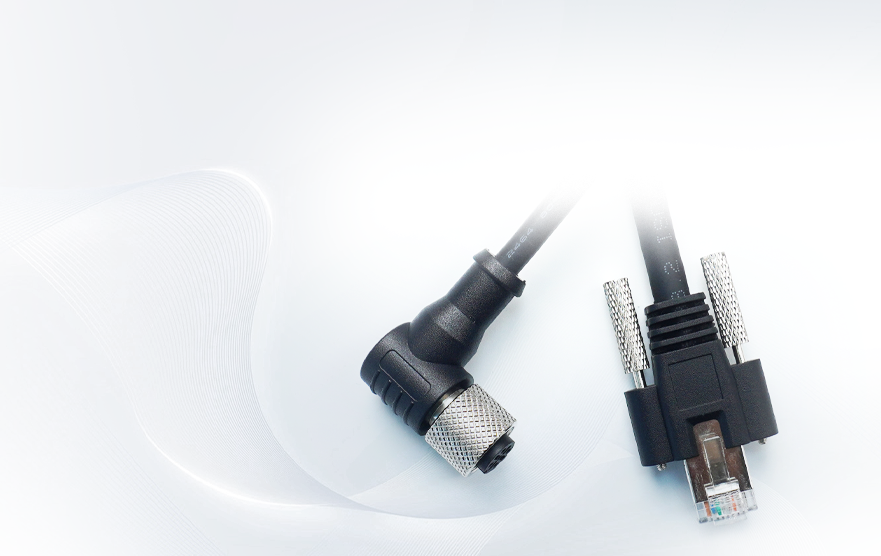
- Offers flexible, wear‑resistant cabling with push‑pull or circular connectors for robust connections in demanding environments.
- Can tailor cable lengths, connector types and adapter designs to fit OEM and machine‑vision projects rather than only off‑the‑shelf rigs.
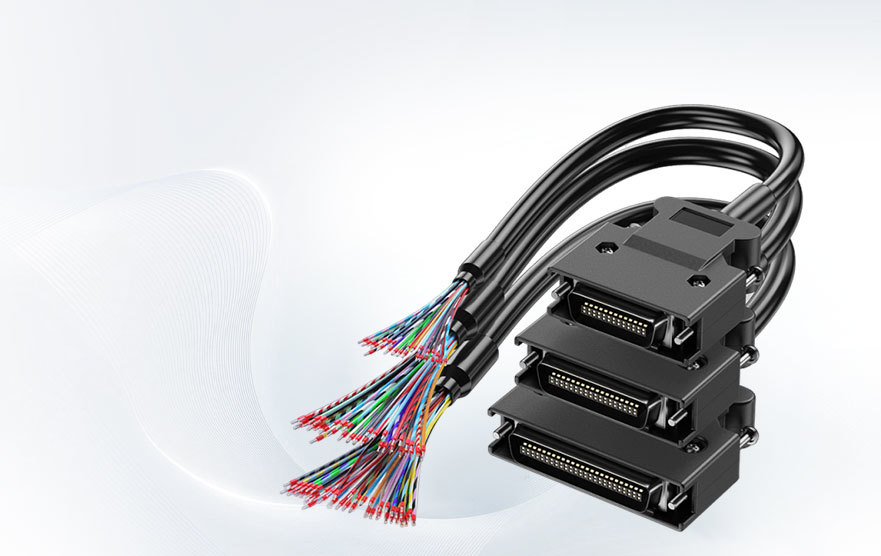
- Combines dummy battery manufacturing with its broader portfolio of Industrial Vision cables, RF coaxial cables and connector assemblies, enabling one‑stop harness solutions.
This positioning makes Torven a practical choice for companies that need dummy batteries not just for a single camera model, but as part of larger imaging systems, machines or test setups.
Conclusion: Making Smart Choices Among Dummy Battery Manufacturers
Dummy batteries have become essential in modern imaging and recording workflows. They let cameras, monitors and recorders run continuously without frequent battery changes, which is vital in live streaming, studio work, industrial imaging and long‑term projects. Behind each dummy battery is a manufacturer whose choices in design, regulation, mechanical fit and cabling determine whether your devices power up smoothly or face recurring issues.
By understanding what dummy battery manufacturers provide, how they differ, and which technical and practical criteria matter most, you can choose partners that match your devices and projects. When your needs reach beyond simple consumer setups into industrial, OEM or machine‑vision territory, working with a manufacturer like Torven—experienced in connectors, cables and imaging accessories—helps you turn constant camera power from a concern into a reliable, engineered strength in your systems.

Apply Here For A Custom Made Solution

Shenzhen Torvenics Electronic Co.,Ltd.
615 Block A, No.11 Tangkeng Road,Henggang Longgang Dist,Shenzhen China