

Understanding Camera Link MDR Cables: Essential Insights for Electrical Engineering
Time:Aug 22,2025
Source:
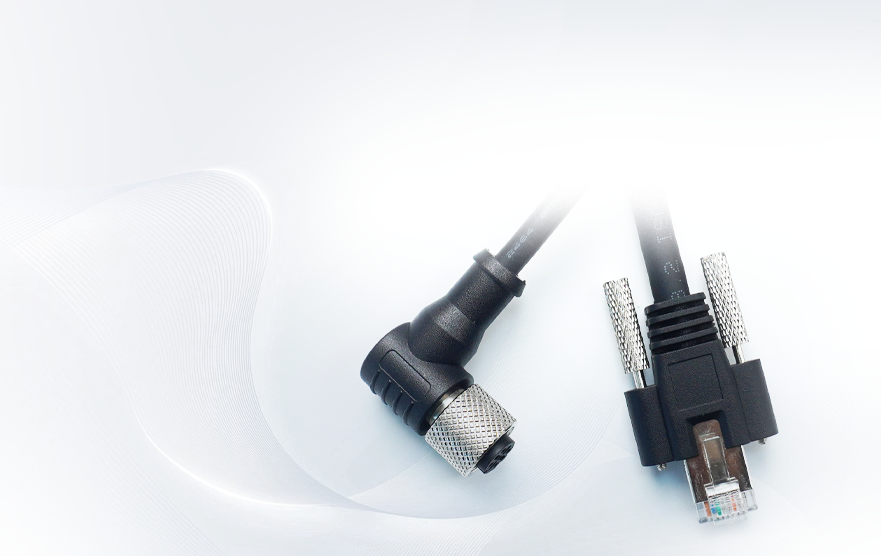
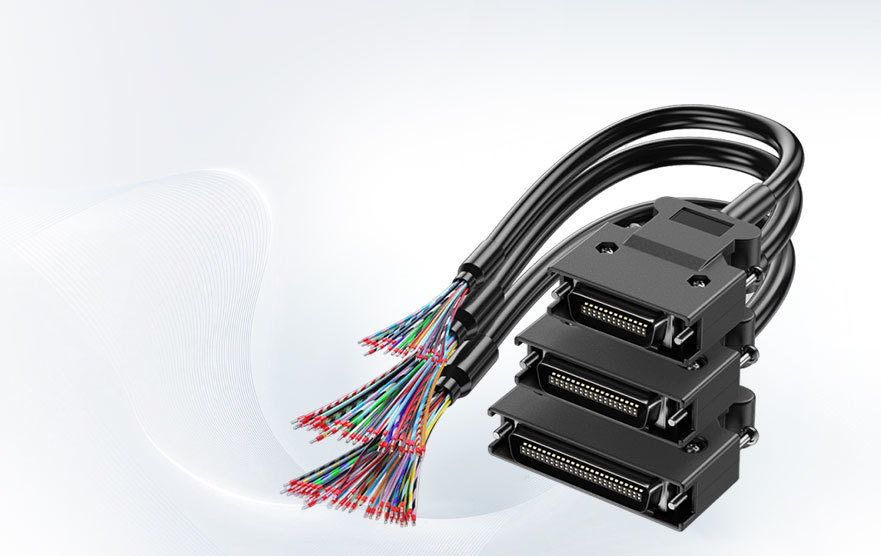
Camera Link MDR (Miniature D-sub Connector) cables are specialized components extensively used in the realm of electrical engineering, particularly in high-performance imaging systems. The Camera Link standard, developed to facilitate high-speed data transfer from cameras to processing units, employs different connector types, with the MDR connector standing out for its compact design and efficient signal transmission.
One of the primary advantages of using Camera Link MDR cables is their ability to support high data rates. These cables are engineered to handle the substantial bandwidth required for transmitting high-resolution images and video in real-time. This is especially crucial in industries such as machine vision, medical imaging, and scientific research, where precise and rapid data transfer is paramount.
Camera Link MDR cables typically consist of multiple pairs of twisted wires, designed to minimize electromagnetic interference (EMI) and maintain signal integrity. This feature is critical in environments where electrical noise can disrupt data transmission, ensuring that the images captured are clear and reliable. Furthermore, the robust construction of these cables provides durability, making them suitable for various applications, including industrial automation and robotics.
Another significant aspect of Camera Link MDR cables is their versatility in connection configurations. These cables can be tailored to meet specific requirements, accommodating different lengths and connector arrangements to suit various systems. This adaptability enables engineers to integrate cameras seamlessly into existing setups, enhancing the overall functionality of imaging systems.
When selecting a Camera Link MDR cable, it’s essential to consider factors such as cable length, shielding, and connector type. The length of the cable can impact signal quality, especially in high-speed applications. Therefore, it's recommended to use the shortest cable length that meets your needs to reduce potential signal degradation. Additionally, opting for cables with adequate shielding can further protect against interference, ensuring optimal performance.
Moreover, understanding the specifications of Camera Link MDR cables can aid in troubleshooting and maintenance. Familiarity with the characteristics of these cables allows engineers to identify potential issues quickly, ensuring that any disruptions in data flow can be addressed efficiently.
In conclusion, Camera Link MDR cables play a pivotal role in the electrical engineering domain, particularly in high-speed imaging applications. Their ability to facilitate rapid data transmission, coupled with their robust construction and versatility, makes them a preferred choice for professionals working with advanced imaging systems. By leveraging the unique features of these cables, engineers can ensure high-quality data transfer, ultimately enhancing the performance of their applications.

Apply Here For A Custom Made Solution

Shenzhen Torvenics Electronic Co.,Ltd.
615 Block A, No.11 Tangkeng Road,Henggang Longgang Dist,Shenzhen China