

M12 Connector Cable: A Guide to Applications, Selection & Reliability
Time:Nov 26,2025
Source:
Introduction
In industrial automation, robotics, and IoT setups, reliable connectivity is non-negotiable—and the M12 connector cable stands out as a trusted solution. Designed for harsh environments and high-performance needs, this cable type has become a staple in industries where downtime is costly and precision matters. Whether you’re upgrading existing systems or building new setups, understanding the M12 connector cable’s value can elevate your project’s efficiency.
What Makes M12 Connector Cables Essential?
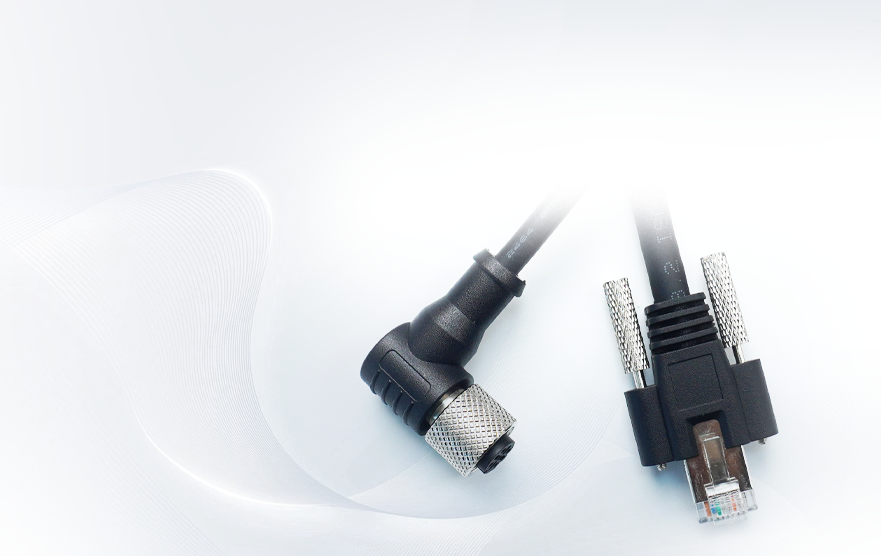
M12 connector cables are defined by their 12mm locking thread, which ensures a secure, vibration-resistant connection—critical for environments like factories, warehouses, or outdoor installations. Unlike standard cables, they’re built to withstand dust, moisture, and temperature fluctuations, meeting IP67 or higher protection ratings in many cases. This durability means fewer replacements and less maintenance, making them a cost-effective choice for long-term use.
Another key advantage is their versatility. Available in different pin configurations (such as 3-pin, 4-pin, 5-pin, and 8-pin), M12 cables adapt to various devices: sensors, actuators, motors, and even Ethernet networks. For example, 4-pin M12 cables are common for power and signal transmission in sensors, while 8-pin versions support Ethernet/IP communication in industrial IoT setups. This flexibility lets you standardize on one cable type across multiple applications, simplifying inventory and installation.
How to Choose the Right M12 Connector Cable
Selecting the correct M12 cable starts with identifying your application’s needs. First, consider the pin count: match it to the device’s requirements to ensure proper signal or power flow. Next, check the cable’s jacket material—PVC is cost-effective for indoor use, while PUR (polyurethane) offers better resistance to oil, chemicals, and abrasion, ideal for harsh industrial settings.
Cable length is another crucial factor. Too short, and you’ll struggle with installation; too long, and you risk signal degradation or unnecessary clutter. Measure the distance between devices carefully, and opt for a length that allows for slight adjustments without excess slack. Additionally, verify the connector type (male or female) and coding (A, B, D, etc.), as these ensure compatibility with your equipment—using the wrong coding can lead to misconnections and performance issues.
Common Applications of M12 Connector Cables
M12 connector cables are ubiquitous in industrial settings. They’re widely used in automated production lines, connecting sensors that detect product position or quality to control systems. In robotics, they transmit power and data between robot arms and controllers, enabling precise movements and real-time adjustments. Outdoor applications, such as traffic management systems or agricultural sensors, also rely on M12 cables for their weather-resistant properties.
Beyond industrial use, M12 connector cables are finding their way into medical equipment, where reliability and sterility are paramount, and in transportation, powering sensors in vehicles or infrastructure. Their ability to deliver consistent performance in demanding conditions makes them a go-to choice across diverse sectors.
Tips for Maintaining M12 Connector Cables
To maximize the lifespan of your M12 connector cables, proper maintenance is key. Regularly inspect the connectors for dirt, debris, or damage—even small particles can interfere with the connection. Clean the connectors gently with a dry cloth or compressed air, avoiding harsh chemicals that might degrade the material.
Avoid bending the cable at sharp angles, as this can damage the internal wiring. When routing cables, use cable management tools like clips or conduit to protect them from physical stress or exposure to extreme temperatures. If a cable becomes damaged (e.g., frayed jacket, loose connector), replace it promptly to prevent signal loss or equipment failure.
Conclusion
The M12 connector cable is a reliable, versatile solution for high-performance connectivity in industrial and beyond. By understanding its key features, choosing the right type for your application, and maintaining it properly, you can ensure seamless operation and minimize downtime. Whether you’re a seasoned engineer or new to industrial setup, investing in quality M12 connector cables is a decision that pays off in long-term efficiency and reliability.

Apply Here For A Custom Made Solution

Shenzhen Torvenics Electronic Co.,Ltd.
615 Block A, No.11 Tangkeng Road,Henggang Longgang Dist,Shenzhen China