

Industrial Ethernet Cable: Key to Reliable Industrial Network Connectivity
Time:Nov 27,2025
Source:
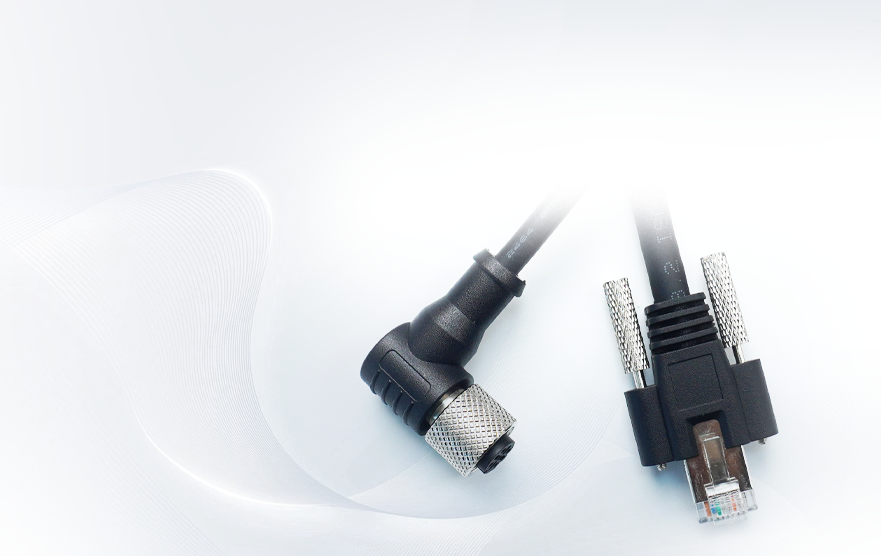
In the fast-paced world of manufacturing, automation, and industrial operations, a stable and efficient network is non-negotiable. That’s where industrial ethernet cable comes into play—more rugged, reliable, and tailored to harsh environments than standard office cables. Whether you’re setting up a factory floor network or upgrading an existing system, choosing the right industrial ethernet cable can make or break your operations.
Why Industrial Ethernet Cables Outperform Standard Cables
Industrial environments are far from gentle. Extreme temperatures, moisture, chemical exposure, physical stress, and electromagnetic interference (EMI) are common challenges. Unlike regular ethernet cables designed for climate-controlled offices, industrial ethernet cables are built to withstand these harsh conditions.
Robust Shielding for EMI Protection
Industrial ethernet cables feature specialized shielding — such as twisted pair shielding (TP) or overall braided shielding — to block EMI. This is critical in settings with heavy machinery or power lines, where interference can disrupt critical data transmission.
Durable Jackets for Harsh Conditions
Their rugged jackets resist oil, grease, UV rays, and abrasion, ensuring long-term performance even in the most demanding industrial locations.
How to Choose the Right Industrial Ethernet Cable
Selecting the optimal industrial ethernet cable requires evaluating your specific application needs. Here are key factors to consider:
Environmental Requirements
Assess the conditions the cable will face: extreme heat, cold, moisture, or chemical exposure. Look for cables rated for your specific temperature range and the appropriate ingress protection (IP) rating.
Bandwidth and Speed Needs
Industrial applications like real-time automation or video surveillance demand high-speed data transfer. Choose a cable that supports gigabit speeds or higher—Cat5e, Cat6, or Cat6a are common options for industrial use.
Shielding Type
For areas with high EMI, cables with double shielding (foiled twisted pair plus braid) offer maximum protection. For less demanding environments, single shielding may suffice.
Installation and Flexibility
Consider how the cable will be routed: some industrial settings require bending around tight spaces or threading through conduits. A flexible yet durable design ensures easier installation without compromising performance.
Key Benefits of High-Quality Industrial Ethernet Cables
The advantages of investing in a reliable industrial ethernet cable go beyond basic connectivity:
Consistent Data Transmission
These cables ensure uninterrupted data flow, reducing downtime caused by network failures—a critical factor in industries where productivity and safety depend on real-time communication.
Longer Transmission Distances
Compared to standard cables, industrial ethernet cables support longer distances, making them ideal for large industrial facilities where devices are spread across expansive areas.
Cost Savings Over Time
Durable construction reduces the need for frequent replacements, lowering maintenance costs and minimizing operational disruptions.
Final Thoughts for Industrial Professionals
Whether you’re in manufacturing, oil and gas, transportation, or another industrial sector, the right industrial ethernet cable is a foundational component of your network infrastructure. It’s not just about connecting devices—it’s about ensuring reliability, efficiency, and scalability in environments where standard cables fall short. By aligning your cable choice with your specific needs, you can build a network that supports current operations and grows with your business.

Apply Here For A Custom Made Solution

Shenzhen Torvenics Electronic Co.,Ltd.
615 Block A, No.11 Tangkeng Road,Henggang Longgang Dist,Shenzhen China