

M5 Connector Cable Cost and Budget Planning
Time:Apr 07,2026
Source:
1.Why Understanding M5 Connector Cable Cost Matters
M5 connector cables may account for a modest share of the bill of materials, yet they significantly influence system reliability and maintenance cost. A clear view of cost drivers helps purchasing teams balance upfront pricing with long‑term performance in continuous industrial operation.
Because M‑series cables are used in automation, machine vision, and sensor networks, any cable failure can halt production, so it is important to consider not only unit price but also lifetime and replacement costs.
2.Main Cost Drivers of M5 Connector Cables
The cost of an M5 connector cable is determined by several technical and commercial parameters. Understanding these factors helps buyers compare quotes from different suppliers more effectively.
Major cost drivers include:
- Cable length and conductor size: Longer cables and larger conductor cross‑sections require more copper and jacket material, which increases cost.
- Jacket material: PUR jackets designed for drag‑chain and oil‑resistant environments typically cost more than standard PVC jackets.
- Protection class and sealing: Higher IP ratings such as IP67 or IP68 often involve more complex overmolding and sealing structures.
- Pin count and connector complexity: Connectors with more contacts, special coding, or PCB/panel‑mount structures add cost due to additional parts and assembly steps.
- Certification and testing: Products that carry UL, VDE, or other certifications undergo additional testing and quality control, which can be reflected in price.
3.One‑Time Engineering vs. Volume Production Cost
For custom M5 connector cable assemblies, there is often a distinction between development‑phase cost and volume production cost. Initial engineering may include design evaluation, prototypes, and tooling for overmolds or strain‑relief structures.
Once a design is finalized, larger production batches typically reduce the unit cost due to economies of scale in material procurement and manufacturing. For OEMs with stable demand, establishing a long‑term collaboration with a connector and cable specialist can stabilize pricing and simplify forecasting.
4.Hidden Costs: Downtime and Maintenance
Looking only at the unit price can lead to underestimating the total cost of ownership of M5 connector cables. In high‑duty cycles, cheaper cables without suitable flex life or environmental resistance may fail earlier, causing unplanned downtime and higher maintenance labor costs.
Well‑designed servo and sensor cables, for example, are specified to endure 5 to 10 million bending cycles and can withstand humidity, oil, and low temperatures, which reduces the frequency of replacements in drag‑chain and robotic applications. Choosing such designs, even at a higher unit price, can lower overall lifecycle costs.
5.How Torven Helps Optimize M5 Cable Cost
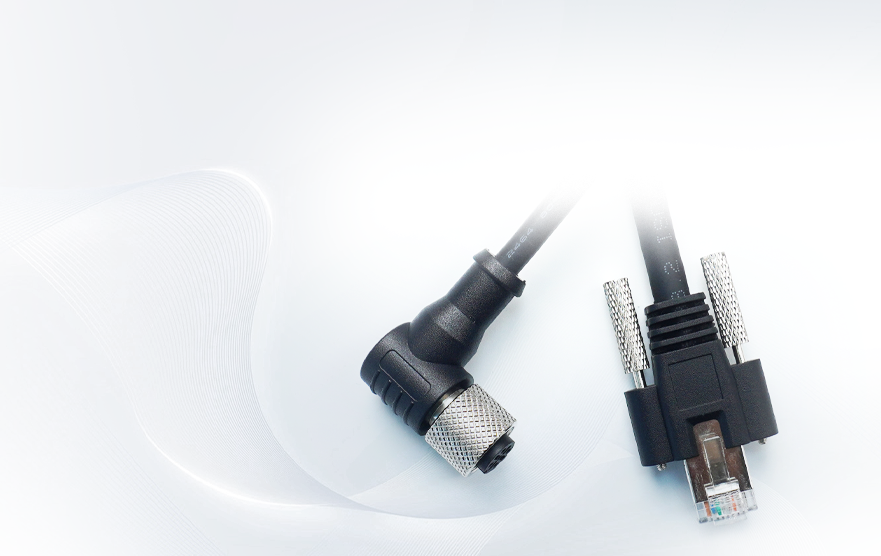
Torven offers a portfolio of M‑series sensor and data cables with standardized constructions, which helps keep costs predictable while maintaining industrial performance. Many products share common materials and components, enabling efficient production and more stable pricing.
Because Torven handles research, development, design, and production in‑house, it can advise OEMs on material and design choices that achieve the desired performance at a reasonable cost. For example, engineers can choose between standard and high‑flex cables, different jacket materials, and varying pin counts to match budget and application requirements.
6.Using Customization to Control Total Cost
Customization does not necessarily mean higher total cost if it is targeted at the right parameters. By optimizing cable length, connector orientation, and harness structure, a custom M5 cable assembly can shorten installation time and reduce wiring errors, which saves labor during equipment build and service.
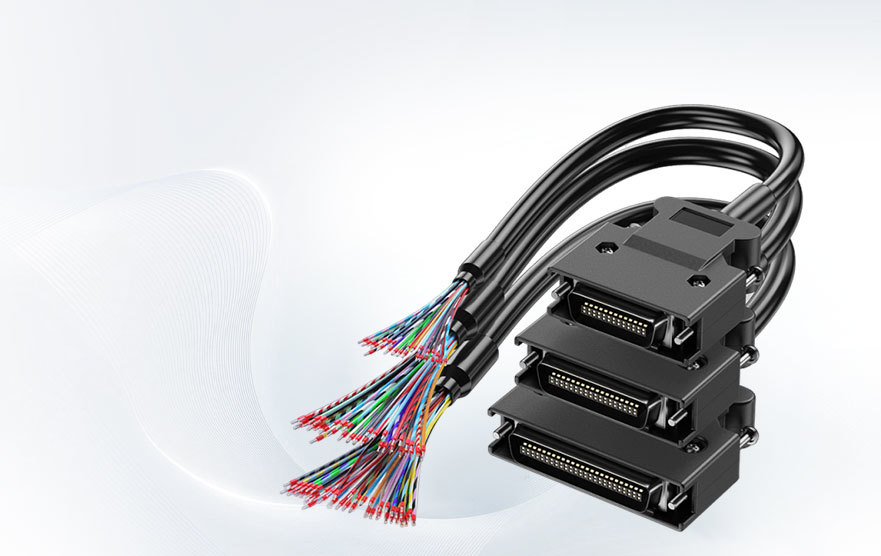
Torven can also integrate M5 connectors with other interfaces such as D‑sub or SCSI connectors into a single wiring harness, reducing the number of separate cables and connectors that need to be purchased and assembled. Consolidating components in this way can simplify logistics and inventory management, further contributing to overall cost control.

Apply Here For A Custom Made Solution

Shenzhen Torvenics Electronic Co.,Ltd.
615 Block A, No.11 Tangkeng Road,Henggang Longgang Dist,Shenzhen China