

Understanding Cable Assemblies: The Backbone of Reliable Connectivity
Time:Mar 17,2026
Source:
In today’s technology-driven world, reliable connectivity defines the performance of every device and system. Whether it’s industrial automation, communication infrastructure, or medical equipment, a well-designed cable assembly ensures consistent power and signal transmission—making it the hidden hero behind modern electronics.
What Is a Cable Assembly?
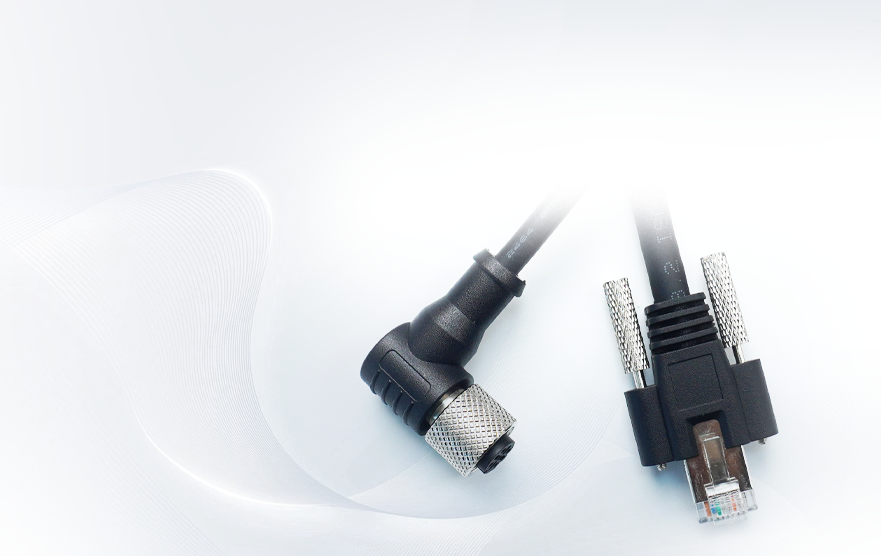
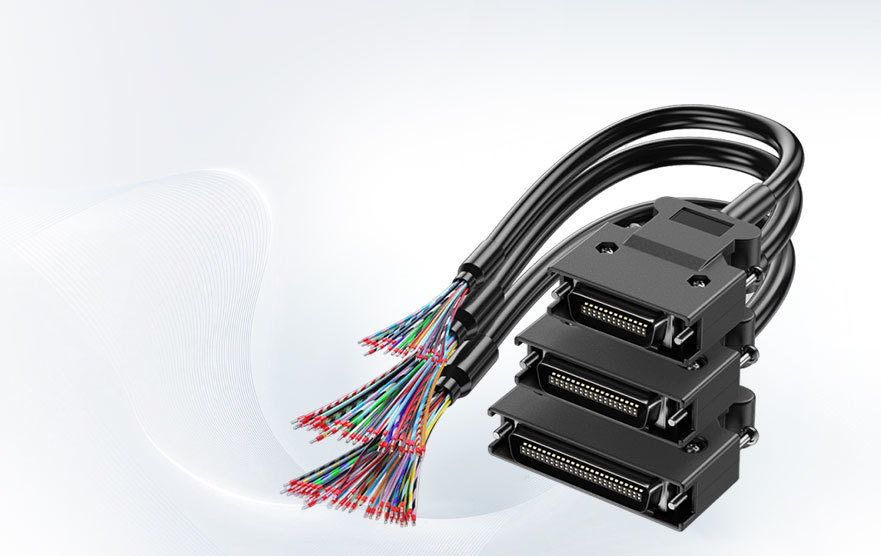
A cable assembly is a collection of wires or cables bundled together into a single unit, designed to transmit electrical power, signals, or data efficiently. Unlike simple cables, assemblies are engineered for durability, specific environmental conditions, and custom performance requirements. Depending on the application, they may feature shielding, flexibility, waterproofing, or quick-lock mechanisms for enhanced usability.
Key Types of Connectors in Cable Assemblies
To achieve optimal performance, choosing the right connector is essential. Let’s explore several commonly used options:
- Circular Waterproof Connector: Ideal for outdoor or industrial settings, these connectors provide protection against dust and moisture, maintaining a secure connection even in harsh environments. They’re widely used in sensors, LED displays, and marine electronics.
- Push Pull Circular Connector: Known for their quick mating and unmating mechanism, push-pull connectors combine secure locking with easy handling. They are popular in medical devices, test instrumentation, and communications where frequent connection cycles are required.
- RF Connector: Designed for radio frequency applications, these connectors ensure minimal signal loss and maximum performance across high-frequency ranges. You’ll find them in wireless systems, antennas, and broadcast equipment.
- DSUB Connector: Recognizable by its D-shaped metal shield, the DSUB connector remains a classic choice for serial data and computer interface connections. It offers excellent shielding and mechanical stability.
- SCSI Connector: Though initially developed for computer storage, SCSI connectors are still used in specialized applications requiring parallel data transfer and robust performance under demanding conditions.
Why Quality Cable Assemblies Matter
A poorly made or mismatched cable assembly can lead to data errors, communication lag, or complete system failure. High-quality assemblies ensure stable performance, reduced downtime, and long-term cost savings. For industries such as aerospace, medical, and telecommunications, custom-engineered assemblies tailored to specific requirements are essential for meeting reliability and regulatory standards.
Final Thoughts
Selecting the right cable assembly—and the correct connectors like Circular waterproof, Push pull circular, RF, DSUB, or SCSI—can significantly improve efficiency and equipment lifespan. Partnering with a trusted cable assembly manufacturer ensures optimized design, testing, and durability for your unique application needs.

Apply Here For A Custom Made Solution

Shenzhen Torvenics Electronic Co.,Ltd.
615 Block A, No.11 Tangkeng Road,Henggang Longgang Dist,Shenzhen China