

High Density M5 Connector Cable in Sensor and Fieldbus Systems: Key Features and Use Cases
Time:Aug 10,2026
Source:
At Torven, we design and manufacture industrial connector and cable solutions that help customers build compact, reliable, and efficient systems. As automation equipment becomes smaller and more densely connected, the need for a high density M5 connector cable has become more important in sensor and fieldbus applications.
We understand that engineers and system integrators are not only looking for a small connector. They need stable signal transmission, dependable mechanical performance, and a solution that fits into tight installation spaces. That is exactly why compact industrial connectivity plays such an important role in modern automation.
Torven’s Approach to Compact Connectivity
At Torven, our focus is on practical industrial connectivity. We supply connector and cable solutions for automation, industrial vision, measurement, and related applications, with product lines that include M5, M8, and M12 series options. Our goal is to provide connection solutions that fit real working environments, not just product specifications on paper.
For customers exploring compact solutions, our industrial connector category is a useful starting point. It reflects the type of space-saving, application-focused products we develop for sensor networks, automation systems, and other industrial installations.
What Is a High Density M5 Connector Cable?
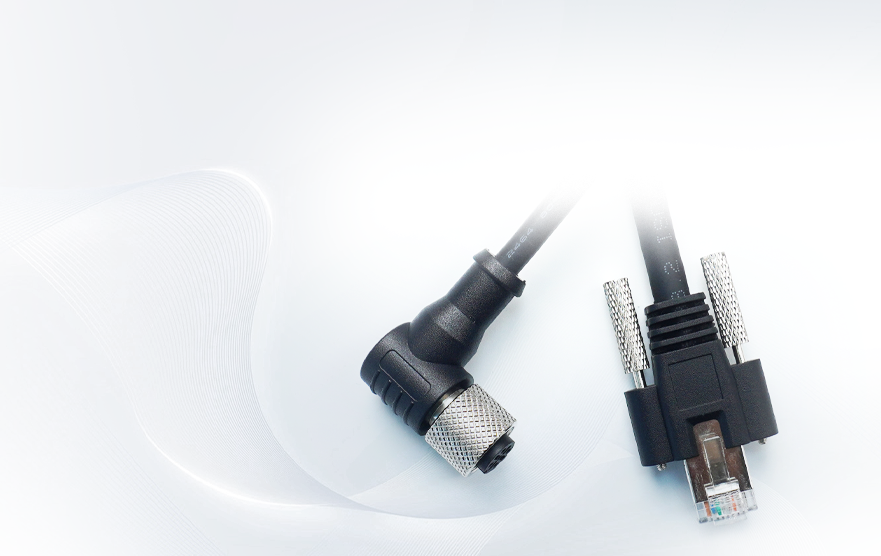
A high density M5 connector cable is a miniature circular cable assembly built around the M5 interface. It is designed for situations where connection space is limited but performance still matters.
In sensor and fieldbus systems, compactness is especially valuable. Equipment may need to handle multiple signal lines in a small area, and a larger connector can make installation more difficult. Our sensor connector cable solutions are designed to help address those space and wiring challenges while supporting reliable operation.

Why High Density Matters in Sensor and Fieldbus Systems
Sensor and fieldbus systems rely on consistent and stable communication. When wiring becomes crowded, even small issues can affect signal quality, assembly efficiency, or maintenance access. High density connectors help reduce these problems by making the overall layout cleaner and more manageable.
At Torven, we see this value in several ways:
- Smaller connector footprints support tighter machine layouts.
- Compact cable assemblies help reduce wiring clutter.
- Reliable contact design supports signal stability.
- Easier routing can improve installation efficiency.
- Space-saving connections can simplify maintenance in the field.
These advantages matter in automation environments where every millimeter counts and where connection reliability directly affects productivity.
Key Features We Focus On
When we develop or evaluate M5 connector cable solutions, we pay close attention to the features that matter most in industrial use. A compact connector should not only save space; it should also support dependable performance in daily operation.
| Feature | Why It Matters | Value for the Application |
| Compact form factor | Fits into limited installation areas | Supports dense machine design |
| Secure locking | Helps prevent accidental loosening | Improves connection reliability |
| Stable signal transmission | Maintains accurate communication | Supports sensor and fieldbus performance |
| Flexible cable routing | Easier to install in tight spaces | Reduces assembly difficulty |
| Industrial durability | Better suited for demanding environments | Helps extend service life |
These are the kinds of design priorities that matter when selecting a miniature industrial connector for automation projects.
Where Our Solutions Fit Best
Our M5-based connectivity solutions are well suited to applications where size, reliability, and efficient wiring all matter at the same time. In many industrial systems, sensors must be placed close together, and the connector must support that layout without creating unnecessary bulk.
- Typical use cases include:
- Proximity and position sensors.
- Compact factory automation equipment.
- Distributed fieldbus modules.
- Measurement and detection systems.
- Machines with dense cable routing.
For projects that require a compact and dependable option, a fieldbus connector can help support stable communication while keeping the system architecture efficient and organized.
How We Think About Application Scenarios
At Torven, we design our solutions with application scenarios in mind. A connector is only effective when it fits the way a customer actually uses it.
Factory automation
In factory automation, space is often limited and wiring can become complex quickly. Our compact M5 cable solutions help support neat layouts and stable sensor connectivity in these environments.
Sensor integration
Sensors often need reliable connections in very small spaces. We focus on helping customers maintain signal integrity while keeping installation compact and manageable.
Fieldbus connectivity
Fieldbus systems depend on organized and dependable communication lines. A high density M5 connector cable can support that requirement when compact design is important.
Maintenance-sensitive equipment
In systems that require frequent service or inspection, easy-to-handle connectors can reduce downtime and simplify replacement work.
Example of a Practical Solution Path
When a customer approaches us with a compact automation project, we usually begin by reviewing three things: the space available, the signal requirements, and the working environment. From there, we help identify the most suitable cable assembly and connector structure.
For example, if a machine needs multiple sensor connections in a restricted area, a larger connector may add unnecessary complexity. In that case, a compact M5-based solution can provide a cleaner and more efficient approach. If the customer wants to review a specific product example, we may recommend this M5 connector cable as one possible reference.
How to Choose the Right Cable
Choosing the right connector cable is not only about product size. It is about matching the solution to the system’s electrical and mechanical needs.
We recommend considering the following points:
- Signal type and transmission requirement.
- Available installation space.
- Cable length and routing direction.
- Environmental exposure such as vibration, dust, or moisture.
- Maintenance and replacement expectations.
When these factors are clear, it becomes easier to select a connector solution that supports long-term performance and practical installation.
FAQ
What is a high density M5 connector cable used for?
It is commonly used in sensor and fieldbus systems where a compact connector and stable signal transmission are both important.
Why do we use M5 connectors in compact industrial systems?
Because they offer a small footprint, reliable connection performance, and easier integration in tight spaces.
Are your M5 connector cable solutions suitable for automation?
Yes. We design our connector and cable solutions for industrial automation, sensor integration, and related applications where compact and reliable connectivity is needed.
How do we support customers with different application needs?
We focus on practical solution matching. That means we consider space, performance, environment, and maintenance needs before recommending a product or cable assembly.
Conclusion
At Torven, we believe a high density M5 connector cable is more than a small component. It is a practical connectivity solution for sensor and fieldbus systems that need compact design, stable performance, and efficient installation.
As industrial equipment continues to become smaller and more connected, we remain committed to providing connector and cable solutions that help our customers build reliable systems. If you are evaluating compact automation connectivity, our product range and application-focused approach can help you move from concept to implementation with greater confidence.

Apply Here For A Custom Made Solution

Shenzhen Torvenics Electronic Co.,Ltd.
615 Block A, No.11 Tangkeng Road,Henggang Longgang Dist,Shenzhen China