

How Does a Torven Camera Power and Trigger Cable Work in Machine Vision Systems?
Time:Sep 23,2026
Source:
A machine vision camera needs stable power, accurate trigger signals, and a reliable data connection to capture images at the right time. But how do these connections work together, and what should you consider when choosing a camera power trigger cable?
At Torven, we develop industrial vision cable solutions for camera power, trigger, synchronization, and data connections. Our focus is to match the cable assembly with the actual connection and operating requirements of the vision system.
What Is a Camera Power Trigger Cable?
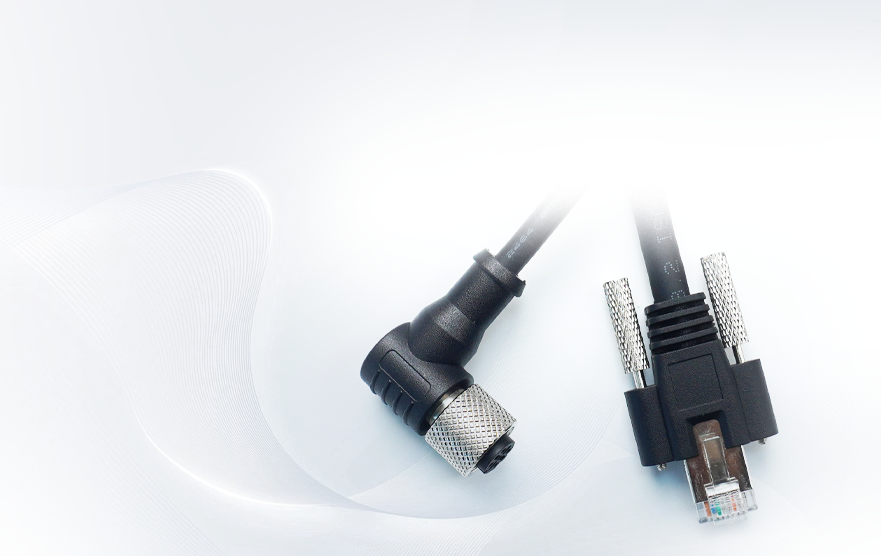
A camera power trigger cable connects an industrial camera with the power and trigger sources required by a machine vision system.
The power connection supplies the camera with the required electrical power, while the trigger connection carries timing signals that control image acquisition.
This type of cable is useful when the camera needs to receive power and trigger signals as part of an automated inspection process. Integrating these connections into a dedicated cable assembly can also make machine wiring easier to manage.
How Does a Camera Power and Trigger Cable Work?
The working principle is straightforward:
- The power conductors connect the camera to its designated power source.
- The trigger conductors connect the camera to an external trigger or synchronization source.
- The camera receives the trigger signal and captures an image according to the configured timing.
- A separate camera data connection transmits the captured image to the processing system.
The connector, pin configuration, and electrical requirements must match the camera being used.
For systems that also require high-speed camera communication, Torven provides industrial camera Ethernet cables for machine vision connection requirements.
How Are Camera Power Trigger Cables Used in Machine Vision Systems?
The typical connection can include:
- Camera to power source for stable electrical supply.
- Camera to trigger source for image acquisition timing.
- Camera to PLC or controller for machine synchronization.
- Camera to processing equipment through a dedicated data connection.
The trigger signal can coordinate image capture with conveyors, sensors, motion systems, or other machine events. This is particularly important when the camera needs to capture an object at a specific position or moment.
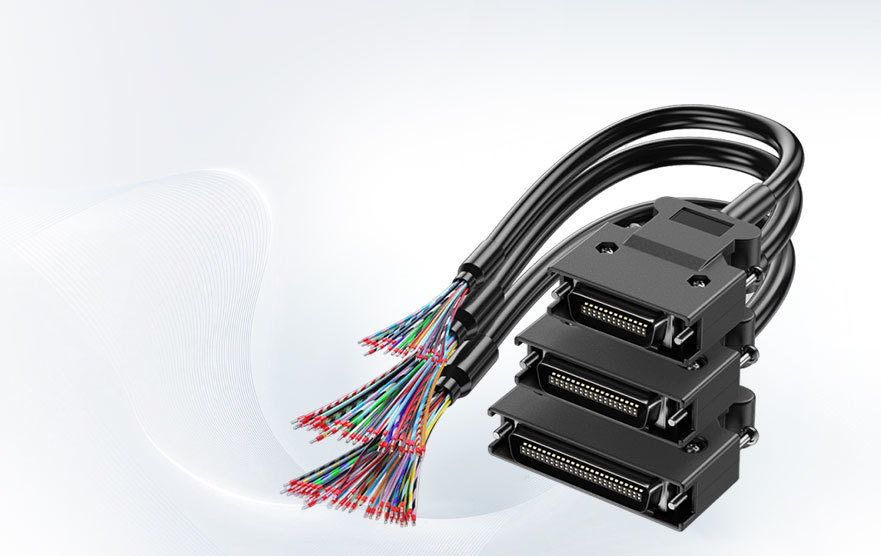
For a broader understanding of these connection requirements, our industrial vision connection cables cover camera power, trigger, synchronization, and data connections used in industrial vision systems.

What Should You Check Before Choosing a Camera Power Trigger Cable?
The connector alone does not determine whether a cable is suitable. Several specifications should be confirmed before ordering.
- Connector type: Make sure the camera-side and equipment-side connectors match.
- Pin configuration: Confirm the power and trigger pin assignment for the specific camera.
- Power requirements: Check the required voltage and current before connecting the cable.
- Trigger requirements: Confirm the trigger input or synchronization configuration.
- Cable length: Select a length that supports clean routing without unnecessary excess.
- Flexibility: Moving cameras may require a cable construction designed for repeated bending and movement.
- Shielding: Industrial equipment can generate electromagnetic interference, so shielding may be important for signal integrity.
- Environmental protection: Consider dust, moisture, vibration, and other conditions around the installation.
Providing these details early helps us determine the appropriate cable structure more efficiently.
Where Are Camera Power Trigger Cables Used?
Camera power trigger cables are suitable for machine vision applications where camera operation needs to stay synchronized with automated equipment.
Common applications include:
- Automated production-line inspection
- Product quality inspection
- Robot-mounted vision systems
- Packaging inspection
- Multi-camera inspection equipment
- Industrial automation and monitoring
In a moving application, cable flexibility becomes especially important. The cable must handle repeated movement while maintaining reliable power and signal connections.
Why Do Cable Construction and Shielding Matter?
The cable operates inside the machine environment, so its construction needs to match the way the equipment moves and operates.
Flexible cable construction can support applications where cameras move along a robotic axis or other mechanical system.
Shielding can help reduce the influence of electromagnetic interference from motors, drives, inverters, and other electrical equipment.
Connector security also matters. A suitable locking connector can help prevent unwanted disconnection caused by vibration or repeated machine movement.
Environmental protection should also be considered when the camera is installed in demanding conditions. Depending on the configuration, Torven industrial vision cable solutions can support protection requirements up to IP68.
How Does Torven Approach Camera Power Trigger Cable Solutions?
We develop cable assemblies around the connection requirements of industrial vision equipment.
Our solutions can combine different requirements for:
- Camera power
- Trigger and synchronization
- High-speed data transmission
- Connector configuration
- Cable length
- Shielding
- Flexibility
- Environmental protection
Industrial vision systems can also require different cable interfaces and performance levels. Selecting the appropriate construction according to the equipment and application helps create a more practical connection solution.
How Can You Prepare for a Camera Power Trigger Cable Order?
Before requesting a cable, prepare the key information about your camera and installation environment.
The most useful details include:
- Camera model
- Camera-side connector
- Equipment-side connector
- Power requirements
- Trigger signal requirements
- Pinout or wiring diagram
- Required cable length
- Fixed or moving installation
- Environmental conditions
These details allow us to understand the actual connection requirements instead of selecting a cable based only on its connector appearance.
If your application requires a specific connector combination, pin configuration, cable length, or assembly structure, you can contact Torven for a customized camera cable solution and provide the relevant specifications.
Choosing a Camera Power Trigger Cable for Your Vision System
A suitable camera power trigger cable should match the camera, power source, trigger system, and installation environment at the same time.
The key is to confirm the connection requirements before selecting the cable. Once the connector, pinout, power, trigger, length, movement, and environmental requirements are clear, the appropriate cable configuration becomes much easier to determine.
At Torven, we can work with these requirements to develop industrial vision cable assemblies for different camera and automation applications.

Apply Here For A Custom Made Solution

Shenzhen Torvenics Electronic Co.,Ltd.
615 Block A, No.11 Tangkeng Road,Henggang Longgang Dist,Shenzhen China