

High Speed Circular Waterproof Connector Production
Time:Jul 08,2026
Source:
Introduction: Why Speed and Waterproofing Must Work Together
Circular waterproof connectors used to be seen as “slow but rugged” — good for outdoor power links or basic sensor signals, but not for high data rates. That picture has changed. Many modern systems need sealed circular connectors that carry fast Ethernet, high‑speed signals, or mixed power‑and‑data links in harsh environments.
As demand grows, high speed circular waterproof connector production becomes a critical capability. Manufacturers must combine signal‑integrity know‑how with strong mechanical sealing and efficient production lines. For engineers and buyers, understanding how this production works helps you ask the right questions and choose a partner who can deliver both performance and stable supply.
What Counts as a High Speed Circular Waterproof Connector?
Before talking about production, it helps to clarify what “high speed” and “circular waterproof connector” mean in practice.
- Circular form factor
The connector body is round, often threaded or push‑pull, with a compact footprint and clear keying. This shape fits panels and housings easily and handles vibration better than many rectangular interfaces. - Waterproof sealing
Connectors are designed to meet IP‑rated sealing — commonly IP67 or IP68 when mated — so they can withstand dust, moisture, splashes, or temporary immersion. Seals exist both at the plug/socket interface and at the cable or panel entry. - High speed capability
Contacts, inserts and internal geometry are designed to carry fast signals. In practice, that may mean:
- Industrial Ethernet
- High‑speed sensor or camera data
- Faster digital buses and timing signals over defined frequency ranges
In short, a high speed circular waterproof connector must combine robust sealing and mechanical design with controlled impedance, low loss, and stable signal behavior.

Key Design Elements Behind High Speed Performance
In high speed circular waterproof connector production, several design elements have a direct impact on performance:
- Contact geometry and spacing
High‑speed signals need controlled distances between contacts and suitable dielectric materials to keep impedance within a tight range. Misaligned or inconsistent contacts cause reflections and signal distortion. - Dielectric and insert design
The insulating parts that hold contacts must maintain geometry under mechanical and thermal stress. If the insert warps or compresses, impedance and crosstalk can change. - Shielding and grounding paths
Good high speed circular connectors provide defined shielding routes and grounding options, often with 360‑degree shield termination at cable entries. Proper shielding helps control EMI and keeps high‑speed data clean. - Sealing without compromise
Seals and overmolds must keep water out without squeezing the cable or shifting contact positions. Balancing waterproof features with signal integrity is one of the key design challenges.
Manufacturers that address these points in the design phase make it much easier for their production lines to deliver consistent high‑speed performance.
Inside a High Speed Circular Waterproof Connector Production Line
Knowing how a production line operates helps you judge whether a manufacturer can really produce high speed circular waterproof connectors at scale. A typical process includes:
- Component preparation
Metal shells are machined or cast, then treated for corrosion resistance. Contacts are stamped or turned, plated and cleaned. Plastic inserts and seals are molded to precise dimensions. - Sub‑assembly and contact loading
Contacts are inserted into dielectric carriers according to the pin layout. Inserts are positioned inside shells with defined orientation and depth. Initial sealing components, such as O‑rings, are placed. - Cable or panel integration
For cable assemblies, conductors are stripped, crimped or soldered, and shields are terminated correctly. Overmold or backshell designs are applied to secure the cable entry and provide strain relief. For panel connectors, threads, gaskets and mounting hardware are added. - Sealing and mechanical finishing
Waterproof features (grommets, overmolds, backshells) are completed. Keying marks and locking features are checked to ensure smooth, error‑free mating. - Testing and inspection
Basic checks include continuity, insulation resistance and IP‑sealing tests on selected samples. High‑speed checks can involve impedance, insertion‑loss or data‑rate testing on representative configurations. Final visual inspection looks for misaligned contacts, damaged seals or incomplete overmolds.
Manufacturers with mature high speed circular waterproof connector production usually have documented processes and automated or semi‑automated checks for each step.
How Torven Approaches High Speed Circular Waterproof Connector Production
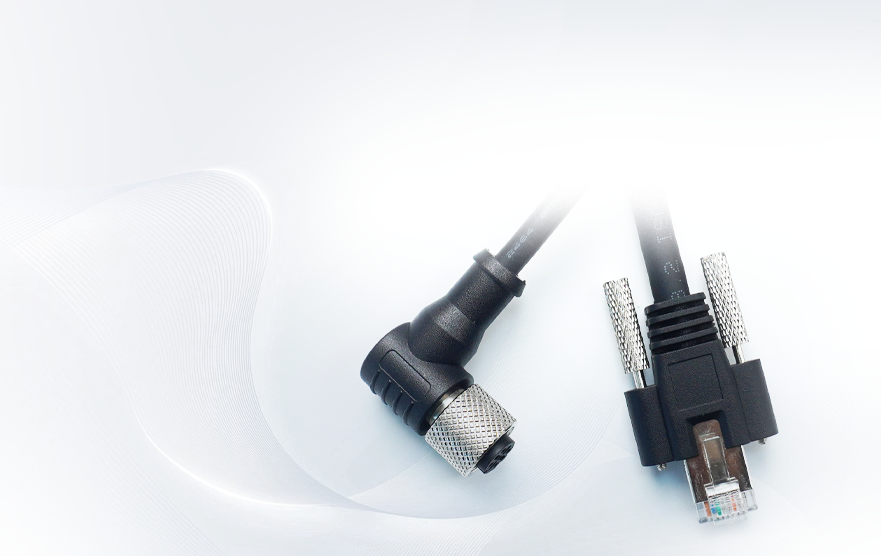
Torven focuses on circular connectors and cable assemblies, including high‑performance waterproof solutions. In practice, this means:
- Multiple circular platforms
Torven develops sealed versions of threaded M‑series connectors (M5–M23) and metal push‑pull interfaces for demanding industrial, medical and outdoor applications. - Connector‑plus‑cable solutions
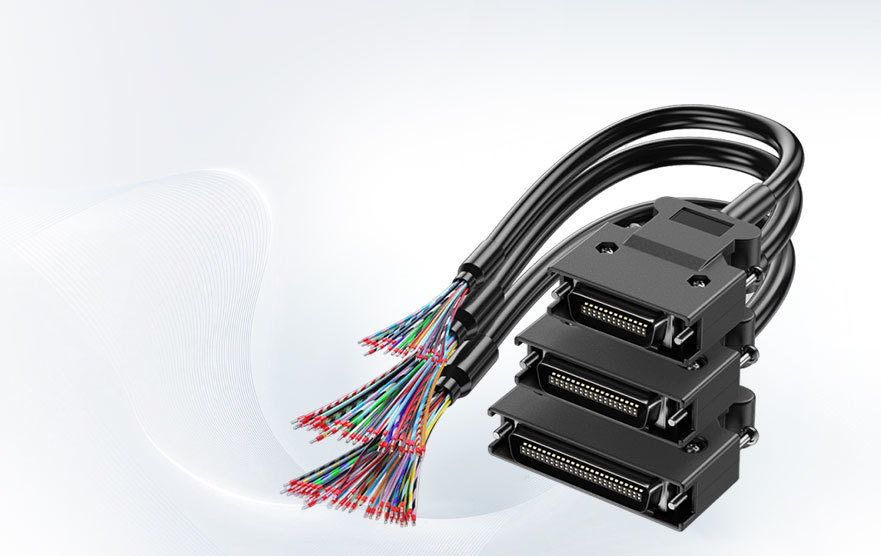
Rather than only selling loose connectors, Torven offers complete cable assemblies where connector type, cable structure and overmold design are matched for signal and environmental performance. - Customization services
High‑speed, waterproof applications rarely fit a single catalog part. Torven can customize pinouts, housing sizes, keying, cable types, lengths and overmold shapes, supporting OEM / ODM projects and relatively low MOQs. - Dedicated testing
For automation, energy, medical and communication projects, Torven combines standard electrical and sealing tests with application‑specific verification, such as high‑frequency or data‑link checks where required.
For engineers and buyers, this makes it possible to discuss not just connector specs, but the whole high‑speed waterproof link — including cable and overmold.

What to Check When Choosing a High Speed Circular Waterproof Connector Manufacturer
When you evaluate high speed circular waterproof connector production partners, a few practical questions help:
- Design competence
Do they understand both signal integrity and sealing? Can they explain how their geometry supports your data rate or protocol? - Standards and ratings
Which IP ratings can they actually test and document? Do they have experience in your target domain, such as industrial Ethernet, medical equipment or vehicle systems? - Customization options
Can they adjust pinouts, housings, keying and overmolds for your project? Are they willing to support prototypes and low initial MOQs before ramp‑up? - Capacity and lead times
How long does sampling take, and what are typical batch production lead times? Do they have clear plans for scaling if your volumes grow? - Testing methods
Beyond basic electrical and sealing checks, what kind of high‑speed or application‑specific tests can they perform?
Discussing these points early gives you a realistic picture of each supplier’s capabilities and fit.
Cost Drivers in High Speed Circular Waterproof Connector Production
Price depends on more than connector size. Major cost drivers include:
- Design complexity
Structures that support both high speed and waterproofing are more complex, with higher tooling and process demands than simple low‑speed connectors. - Materials
Stainless or high‑grade alloy shells, high‑temperature plastics, quality sealing elements and rugged cable jackets all add cost but improve service life. - Cable type and assembly
Low‑loss or multi‑shielded cable, special overmolds and strain‑relief features cost more than simple, unshielded constructions. - Customization and development
Custom pinouts, unique keying, brand engravings and special packaging bring engineering and tooling overhead. - Volume and MOQs
Larger volumes make it easier to optimize unit cost. Prototypes and very small batches naturally carry higher per‑unit prices.
If you share clear technical requirements and realistic volume expectations, manufacturers like Torven can quote more accurately and suggest cost‑effective options.
Practical Steps for Specifying High Speed Circular Waterproof Connectors
To turn production capability into the right product for your project, a structured specification process helps:
- Define electrical and data requirements
Data rate or frequency range, target impedance, and maximum power / current per contact. - Set environmental and sealing targets
Required IP rating when mated, temperature range, and exposure to dust, moisture, chemicals or outdoor conditions. - Describe mechanical constraints
Panel space and mounting method, cable routing path and needed flexibility, plus size and weight limits. - Clarify customization and branding needs
Specific pin layouts, keying, logos or markings, preferred colors or overmold shapes, and packing / labeling schemes for production. - Plan testing and acceptance criteria
Which electrical and sealing tests you expect from the supplier, and any extra in‑house or third‑party tests you will perform.
Providing this information up front allows Torven or other manufacturers to design a connector‑and‑cable solution that fits your application instead of forcing compromises.
Conclusion: Turning High‑Speed Waterproof Requirements into Real Products
High speed circular waterproof connector production sits at the intersection of electrical design, mechanical engineering and disciplined manufacturing. In modern systems, sealed circular connectors are no longer “slow but tough” ports — they often carry fast data and complex signals while surviving harsh environments.
By understanding what defines a high speed circular waterproof connector, how production lines handle design and quality, and which factors drive cost, you can work more effectively with specialized manufacturers such as Torven. Clear specifications and smart supplier choice turn your high‑speed, waterproof connectivity requirements into robust, manufacturable products that support your equipment for years in the field.
Torven Showcases EV‑Ready Waterproof Connectors at EV India 2026
Torven will participate in EV India 2026 at the India Expo Centre in Greater Noida from September 1–3, 2026, where we will connect with EV industry professionals across design, engineering, sourcing, and manufacturing. During the show, we will present our latest industrial circular waterproof connectors and customized cable assemblies designed for EV power distribution, control signal transmission, and charging interfaces, ensuring long‑term reliability in demanding on‑board and outdoor charging conditions.
As India’s premier electric mobility exhibition, EV India 2026 gathers stakeholders from passenger cars, two‑wheelers, commercial vehicles, battery systems, and powertrain technologies under one roof, creating an ideal platform for technical and high‑quality sourcing. Trade visitors can enter the exhibition free of charge, but prior online registration is mandatory, and you can complete your visitor registration here: EV India Expo visitor registration.
Our booth numbers are EVINDIA-0000179666 and EVINDIA-0000179655, and we look forward to meeting you on site.


Apply Here For A Custom Made Solution

Shenzhen Torvenics Electronic Co.,Ltd.
615 Block A, No.11 Tangkeng Road,Henggang Longgang Dist,Shenzhen China