

M16 Connector Cable Testing: Ensure Reliable Performance in Harsh Industrial Environments
Time:Jan 30,2026
Source:
When it comes to industrial connectivity, M16 connector cables are the backbone of stable signal transmission, power supply, and data communication. However, harsh conditions like moisture, vibration, and electromagnetic interference (EMI) often compromise their performance—leading to costly system downtime, faulty connections, and safety risks. That’s why rigorous M16 connector cable testing isn’t just an option; it’s a critical step to guarantee long-term reliability, compliance, and peace of mind.
Why M16 Connector Cable Testing Is Non-Negotiable
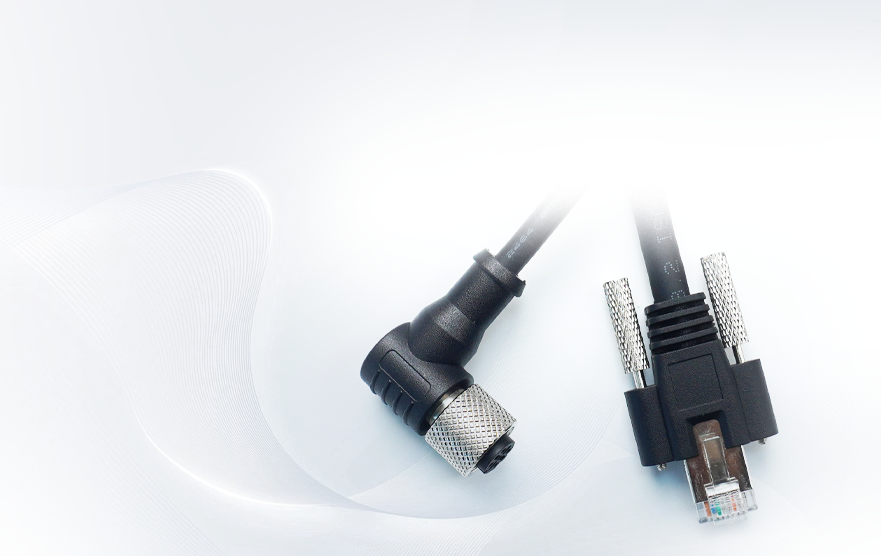
M16 connector cables are designed for demanding applications—from industrial automation and robotics to medical equipment and outdoor lighting. Their threaded locking design, IP67/IP68 protection rating, and multi-core compatibility make them versatile, but these features only deliver value if the cables pass strict quality checks. Common pain points that testing addresses include:
- Poor environmental sealing leading to water or dust ingress
- Loose connections caused by inadequate vibration resistance
- Signal interference from electromagnetic radiation
- Corroded contacts affecting conductivity
- Non-compliance with IEC61076 standards or industry-specific requirements
Without proper testing, even high-quality M16 cables can fail prematurely, disrupting operations and damaging sensitive equipment. Testing validates every critical aspect of the cable’s performance, ensuring it meets the rugged demands of your application.
Key M16 Connector Cable Testing Procedures for Reliability
To ensure your M16 connector cables perform flawlessly, focus on these essential tests—aligned with industry standards and real-world usage scenarios:
Environmental Sealing Test (IP Rating Verification)
M16 cables boast IP67/IP68 protection, but proper installation and component integrity are required to maintain this. The sealing test simulates harsh conditions by subjecting cables to water immersion (for IP68) or spray (for IP67) and dust exposure. This test confirms that gaskets, housings, and terminations prevent moisture and debris from entering—critical for applications in wet or dusty environments.
Electrical Performance Testing
Electrical reliability is the core of any connector cable. Key tests include:
- Continuity Test: Uses a multimeter to verify that all conductors are properly terminated, ensuring no open circuits or short circuits between pins.
- Contact Resistance Test: Ensures contact resistance stays below 5mΩ (per industry standards) by checking conductivity between male and female contacts—preventing voltage drops and overheating.
- Insulation Resistance Test: Validates that insulation materials (e.g., PA+GF, TPU) maintain 100MΩ or higher resistance, avoiding leakage currents and electrical hazards.
Vibration and Mechanical Durability Testing
M16 cables feature a vibration-resistant, anti-loosening threaded design, but mechanical stress from industrial operations can still cause damage. Testing involves exposing cables to repeated vibration and shock (simulating robotic arms, machinery, or transportation) to ensure the threaded lock remains secure, contacts stay seated, and the cable jacket (PVC/PUR) resists wear. Durability testing also verifies the cable can withstand 500+ mating cycles without performance degradation.
Electromagnetic Compatibility (EMC) Testing
For shielded M16 cables, EMC testing is vital to prevent signal interference. This test measures the cable’s ability to resist EMI and avoid emitting electromagnetic radiation that could disrupt nearby equipment. Unshielded, shielded, or grounded M16 cables are tested to ensure they maintain signal integrity in high-electromagnetic environments—critical for data-intensive applications like high-speed data transmission in industrial automation.
Material and Corrosion Resistance Testing
The performance of M16 cables depends on high-quality materials like silver-plated/gold-plated copper conductors and nickel-plated shells. Corrosion resistance testing exposes contacts and housings to harsh chemicals or humidity to ensure they don’t corrode over time. This test is especially important for outdoor or marine applications where moisture and salt can degrade components.
Compliance and Customization: Testing for Your Specific Needs
M16 connector cables must comply with the IEC61076 standard, but many applications require additional testing to meet industry-specific requirements (e.g., medical device safety, aerospace durability). Whether you need custom pin configurations (2-24 pins), right-angle or straight designs, or specialized shielding, testing should be tailored to your use case. For example, medical equipment cables may require biocompatibility testing, while aerospace cables need stricter vibration and temperature range validation (-40℃ to +80℃).
Choose Tested M16 Connector Cables for Uninterrupted Operations
Investing in tested M16 connector cables isn’t just about avoiding downtime—it’s about maximizing the lifespan of your systems, ensuring safety, and maintaining compliance. When selecting M16 cables, look for suppliers who conduct comprehensive testing and provide documentation to back their claims. From pre-installation inspections to post-test validation, every step ensures your cables deliver the reliability you need.
Ready to upgrade to M16 connector cables that pass the toughest tests? Contact our team today to learn about our tested, IEC61076-compliant M16 cable assemblies—customizable for your application’s unique needs. Ensure your connectivity is as rugged as your environment!

Apply Here For A Custom Made Solution

Shenzhen Torvenics Electronic Co.,Ltd.
615 Block A, No.11 Tangkeng Road,Henggang Longgang Dist,Shenzhen China