

Dummy Battery Cost: What Really Drives the Price for Professional Camera Power
Time:Apr 07,2026
Source:
For studios, live streaming, industrial vision and broadcast production, a dummy battery with an external power cable is often the most economical way to keep cameras running for hours without interruption. But when you start sourcing from manufacturers instead of buying a single retail unit, “dummy battery cost” becomes a technical question, not just a product price.
This guide explains the key cost drivers from an OEM/ODM perspective and shows how to reduce your total cost when you work with a connector and cable assembly supplier like Torven.
What Is a Dummy Battery and Why It Saves Money
A dummy battery is a battery-shaped DC power adapter that fits into the camera’s battery compartment and connects to an external DC power source through a cable. It replaces frequent battery swaps with a stable, continuous power feed from AC adapters, V-mount/Anton batteries or industrial DC power supplies.
For end users, the main savings come from:
Less downtime: no need to stop recording to change batteries during long shoots or 24/7 surveillance.
Longer system life: the camera runs cooler and more stably with a well‑regulated external supply.
Fewer consumables: fewer original batteries and chargers need to be purchased and replaced.
Main Factors That Affect Dummy Battery Cost
From a manufacturer’s view, unit cost is the result of several technical and commercial choices rather than a fixed market price.
- Connector type on the cable
The dummy battery itself connects mechanically to the camera, but the other end of the cable can use different connectors depending on your system. Each option has a different hardware and assembly cost:
D‑Tap / B‑Type battery connector: widely used on broadcast batteries and power distribution plates, common in professional camera rigs.
Anton or V‑type battery connector: used with high‑capacity V‑mount and Anton batteries for cinema and ENG cameras.
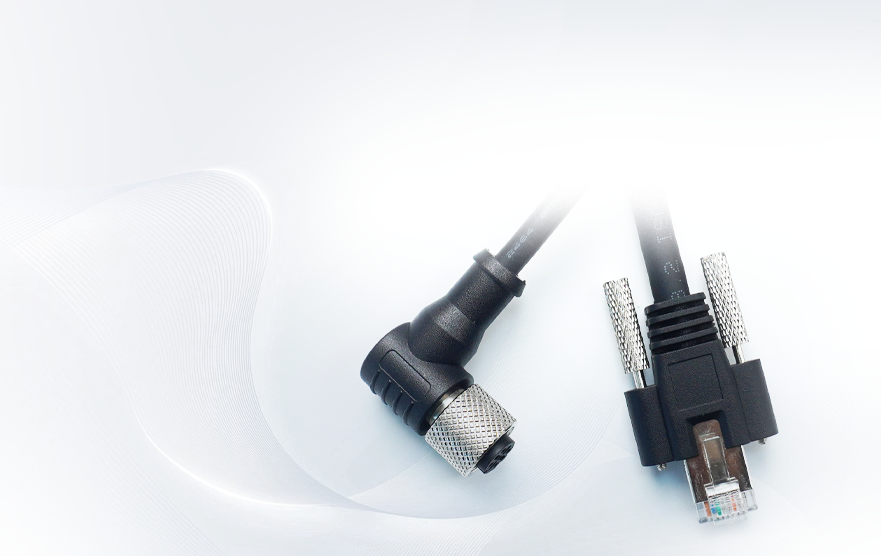
Push‑pull self‑locking or Weipu circular connector: ideal for industrial and harsh environments where secure locking and waterproofing are required.
Standard DC barrel plug: a cost‑effective choice for AC adapters and indoor studio power setups.
Generally, industrial circular and push‑pull self‑locking connectors with higher IP ratings and precision housings cost more than simple DC plugs, but they improve reliability in demanding environments.
- Cable length and wire gauge
Cable cost scales with length, conductor cross‑section and insulation material. Longer cables use more copper and jacket material and need better voltage drop control, especially for low‑voltage DC.
Thicker conductors (higher cross‑section) reduce voltage drop but increase copper cost.
High‑flex PVC or PUR jackets designed for drag chains and robots are more expensive than commodity PVC, but they survive millions of bending cycles in motion applications.
Coiled cables require additional processing and material and are typically priced higher than straight cables.
If the camera is installed close to the power source, you can reduce cost by choosing a shorter, appropriately sized cable, while maintaining enough length for safe routing.
- Waterproof and environmental protection
If the dummy battery cable is used indoors in a studio, standard non‑sealed connectors and jackets are usually sufficient. In contrast, outdoor production, mobile vehicles, and industrial plant environments often require higher protection:
IP65–IP68 rated circular or push‑pull connectors protect against dust and water jets or immersion.
Oil‑resistant, low‑temperature and UV‑resistant jackets are often needed for factory floors, robots and outdoor rigs.
These features add to component and processing cost, but they significantly extend service life and reduce replacement frequency in harsh environments.
- Required certifications and compliance
If you are building systems for industrial, medical or export markets, the dummy battery cable may need to comply with UL, VDE, RoHS and, for some applications, FDA‑related requirements. Certified cables and connectors cost more than uncertified ones, but they simplify system approvals and audits.
For example, Torven’s M‑series sensor and data cables offer protection classes from IP40 to IP68 and many variants are UL and VDE certified, and comply with FDA standards. Applying similar cable and connector technology to camera power and dummy battery assemblies keeps your entire wiring system consistent and compliant.
- Additional features on the cable assembly
Beyond basic power delivery, some OEM customers ask for extra functions that will increase material and assembly cost:
Power indicator LED and small filter circuits on the cable
Over‑current or reverse‑polarity protection modules
Custom color coding, printing and labelling for easy routing and maintenance
Combined harnesses that integrate camera power with trigger or shutter signals in one cable bundle
These options add value at the system level and may reduce labor during installation but should be considered when planning your target unit price.
- Order quantity and customization level
Like other cable assemblies, dummy battery assemblies have tooling, engineering and setup costs. The more custom the housing, connector combination and cable structure, the more engineering effort is required.
Standardized designs using existing housings and connectors achieve better cost in medium to large batches.
Small one‑off custom designs bear a higher share of development cost per unit.
By working with a manufacturer that already produces camera power cables, RF coaxial cables, and M‑series industrial cables, you can often reuse existing components and reduce upfront engineering time.
How Dummy Battery Cost Compares to Other Power Options
From a total cost of ownership perspective, a dummy battery system sits between basic consumer batteries and fully custom power distribution hardware.
Power option | Upfront hardware | Running cost over time | Typical use case |
Original camera batteries & charger | Low–medium | High (many packs) | Hobby, small shoots |
Dummy battery + AC adapter | Medium | Low | Studio, live streaming, indoor surveillance |
Dummy battery + V‑mount/Anton pack | Medium–high | Medium | Broadcast, ENG, mobile rigs |
Custom DC harness only (no dummy) | Medium–high | Low | OEM systems without standard battery slot |
A well‑designed dummy battery cable assembly with industrial‑grade connectors can be reused across projects and cameras that share the same battery bay format, further spreading the cost.
Using Industrial‑Grade Cables for Dummy Battery Assemblies
Torven’s core competence is not only connectors but also high‑performance cables for automation, vision and servo applications. The same technologies that make these cables suitable for robots, sensor networks and industrial cameras also benefit dummy battery cables:
High‑flex sensor and data cables for M‑series connectors in drag chain and robot applications provide bending resistance up to 5–10 million cycles.
Industrial vision cables support long‑distance, high‑speed data transmission between cameras and controllers while withstanding oil, low temperatures and EMI.
Servo motor cables use shielded structures, robust jackets and tight bend radius control to ensure stable power and signal delivery under continuous motion.
When these cable designs are combined with dummy battery housings and push‑pull, Weipu or other circular connectors, you get a camera power solution that is robust enough for industrial lines, AGVs, machine vision stations and outdoor monitoring systems.
How to Reduce Your Dummy Battery Cost as an OEM/Integrator
If you are planning a new camera or vision project, the following strategies help you control dummy battery cost without sacrificing reliability:
- Standardize interfaces early
Choose a small set of connector types (for example, D‑Tap, one circular waterproof connector size and one DC barrel size) and apply them across all camera stations. This simplifies stocking and increases batch size.
- Reuse existing industrial cable families
Where possible, build dummy battery assemblies using cable families already qualified in your factory, such as M‑series sensor cables, industrial vision cables or servo cables. This reduces qualification cost and speeds up approvals.
- Define realistic environmental requirements
Use IP67–IP68 connectors and high‑flex jackets only where truly needed. For indoor racks and control rooms, simpler connectors and jackets often provide enough protection at a better cost.
- Specify length by application, not by habit
Measure routing paths and choose the shortest safe cable length for each configuration. Avoid unnecessary extra meters that increase material usage and voltage drop.
- Bundle camera power with other harnesses where it makes sense
In some systems, combining dummy battery power with trigger/shutter signals or network cables into a managed harness reduces installation time and total harness cost.
- Work with a connector + cable assembly specialist
A manufacturer who designs both connectors and cable assemblies can optimize the entire solution, from dummy battery housing to cable type and mating interface.
What Torven Can Offer for Dummy Battery Projects
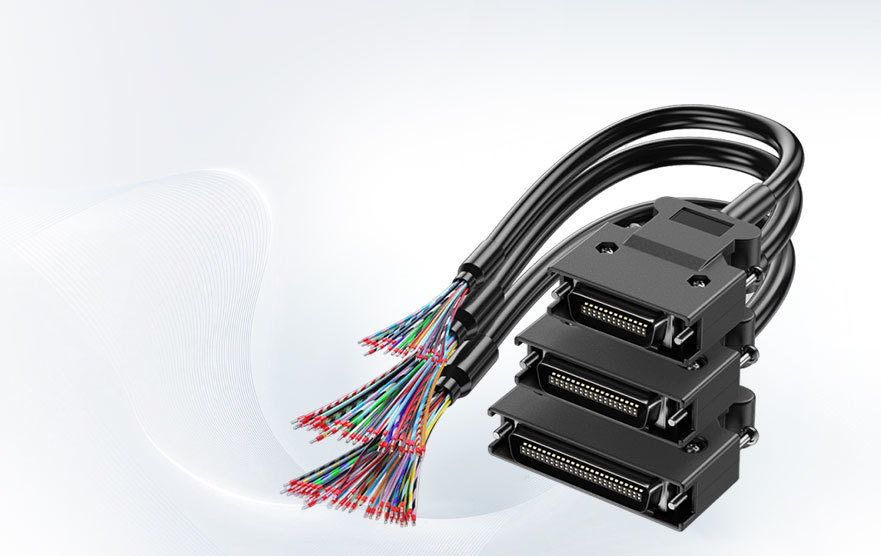
As a global supplier of precision connectors and cable assemblies, Torven develops and manufactures: M‑series circular connector cables, RF coaxial cables, servo motor harnesses, wiring harnesses and customized camera power cables. For dummy battery applications, this means you can source the whole power path—from battery pack or power supply to camera—through one partner.
Typical configurations include:
Dummy battery to D‑Tap / Anton / V‑mount camera power cable for broadcast cameras and field recorders.
Dummy battery to push‑pull or Weipu circular waterproof connector for machine vision and industrial inspection systems.
Dummy battery to panel‑mount DC input or M‑series connector, matched with your existing sensor and data cable infrastructure.
With high‑flex, wear‑resistant cables and IP40–IP68 connection options, Torven can help you design dummy battery solutions that meet your mechanical, electrical and certification requirements while keeping unit cost under control.

Apply Here For A Custom Made Solution

Shenzhen Torvenics Electronic Co.,Ltd.
615 Block A, No.11 Tangkeng Road,Henggang Longgang Dist,Shenzhen China