

High Density Industrial Vision Cable Specification Guide
Time:Apr 09,2026
Source:
Why High Density Industrial Vision Cable Specifications Matter
Machine vision and industrial imaging systems depend on stable, high‑speed data transmission between cameras, controllers, and sensors. As cameras add more resolution and higher frame rates, the cabling system must carry more data through limited space, which is why high density Industrial Vision cable specification has become a key design topic. Getting the specification right prevents data loss, frame drops, and downtime.
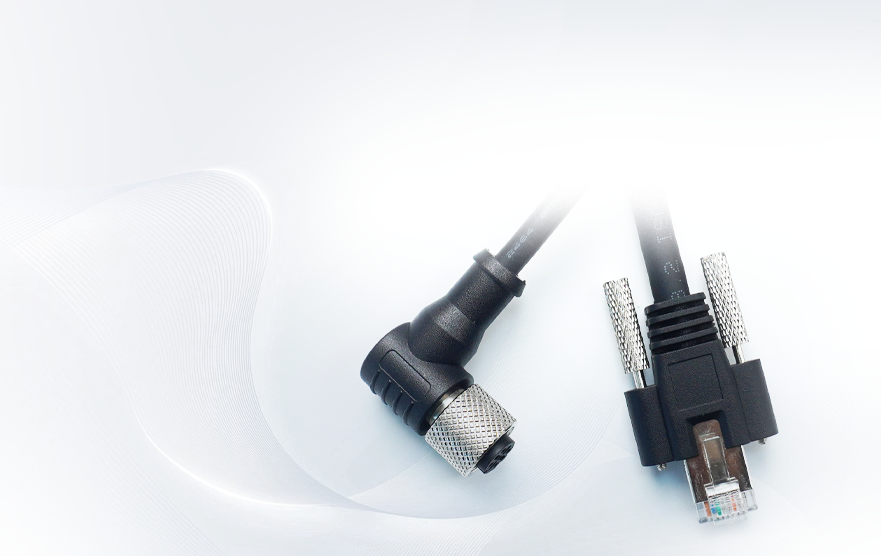
Torvenics offers industrial vision cables specifically designed for high data rates, long distances, and demanding mechanical conditions in robotic and automation environments. Understanding these specifications will help you choose the right cable assemblies for your application.
Core Performance Indicators of Industrial Vision Cables
High density industrial vision cables are engineered to provide reliable signal integrity at high bit rates. Key performance indicators include supported data rate, maximum cable length, and environmental protection.
According to Torvenics’ product overview, its industrial vision cables support:
- Transmission rates of 1 Gbps, 5 Gbps, 12.5 Gbps, 50 Gbps, and 100 Gbps depending on the cable series and connectors.
- Long-distance transmission up to about 100 meters, giving system designers more freedom in camera and controller placement.
- Protection ratings from IP40 to IP68, providing resistance to dust, moisture, and harsh industrial conditions.
These specifications ensure that high-density data streams can be carried over extended distances without compromising signal quality in industrial environments.
Mechanical Robustness and Motion Capability
Industrial vision cables often run through drag chains, robot arms, and other moving assemblies. This requires careful attention to mechanical characteristics so that the cable can withstand repeated motion without failure.
Torvenics industrial vision cables are designed with:
- High flexibility and bending resistance suitable for continuous motion in robots and drag chains.
- The ability to operate in harsh conditions such as oil contamination, low temperatures, and exposure to electromagnetic interference.
- Jacket materials that provide abrasion resistance and long-term durability in demanding applications.
These mechanical specifications are essential when designing high density vision cabling layouts that must deliver both reliability and long service life.
Cable Construction and Core Count
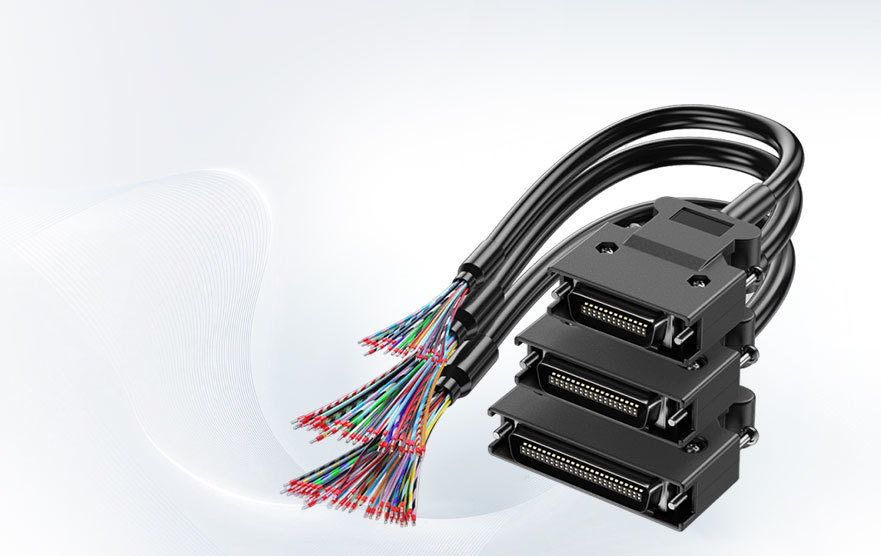
High density industrial vision cables must carry multiple differential pairs or core combinations while controlling impedance and crosstalk. Core count and internal structure play a major role in cable performance and connector density.
Torvenics offers vision connector cables with:
- 2 to 12 cores for different combinations of power, trigger, control, and data lines.
- Options for locking screws or threaded locking interfaces, ensuring secure mating and stable contact.
- Compatibility with industrial camera and controller interfaces, supporting compact, high‑density connector designs.
By selecting the appropriate core count and structure, system integrators can support complex camera functions while minimizing the number of separate cables needed.
Electrical and EMC Considerations
At high data rates, signal integrity and electromagnetic compatibility become central to cable specification. A proper high density Industrial Vision cable specification must address shielding, pair geometry, and grounding strategy.
Torvenics industrial vision cables are optimized to:
- Minimize electromagnetic interference and maintain stable data transmission in noisy industrial environments.
- Support long-distance, high‑speed communication without significant signal degradation.
- Integrate shielding and conductor layouts that reduce crosstalk between channels.
These electrical and EMC characteristics help maintain reliable image transfer even when cables route near motors, power cables, and switching devices.
Integration with Industrial Cameras and Systems
Industrial vision cables do not operate in isolation; they must match connector types, pin assignments, and mechanical interfaces on cameras, lenses, and controllers. Torvenics designs its vision cables to integrate into complete camera systems.
Typical integration scenarios include:
- Connecting industrial cameras to frame grabbers, embedded controllers, or vision processors over high‑speed links.
- Combining data lines with power and trigger signals in a single cable to simplify routing and installation.
- Using locking screw or threaded connectors to ensure secure attachment on moving or vibrating equipment.
By aligning cable and connector design with camera ecosystem requirements, Torvenics helps reduce integration effort and field troubleshooting.
Environmental Ratings and Compliance
Vision systems are often installed in environments that require defined protection levels and compliance documentation. A complete industrial vision cable specification must therefore reference IP ratings and relevant certifications.
Torvenics industrial vision cables feature:
- Protection ranges from IP40 to IP68 depending on the product line and connector configuration.
- Many products with UL and VDE certifications, as well as compliance with FDA-related standards for specific application areas.
- Design practices shared with other industrial cable families, such as servo and data cables, which have similar environmental expectations.
These attributes give equipment manufacturers and end users confidence that the vision cabling meets both technical and regulatory requirements.
High Density in the Broader Connectivity Ecosystem
High density industrial vision cabling is usually part of a wider connectivity structure that also includes sensor cables, power cables, and RF or communication links. Torvenics supports this ecosystem by offering multiple cable and connector families under one brand.
In a typical automation cell, you may find:
- Industrial vision cables connecting cameras and controllers at high data rates.
- M-series circular connector cables (M5, M8, M12, M16, M23) for sensors, actuators, and power.
- Servo motor connector cables and industrial data cables, designed for frequent motion and EMC requirements.
By sourcing these cables and connectors from Torvenics, system designers can implement coherent wiring concepts and simplify qualification and maintenance.
How to Define a High Density Industrial Vision Cable Specification
To derive a clear specification for high density industrial vision cables, engineers should document both electrical and mechanical requirements before requesting quotations.
A typical specification for Torvenics products would cover:
- Required data rate (for example 5 Gbps, 12.5 Gbps, 50 Gbps, or 100 Gbps) and maximum cable length.
- Camera and controller interface type, including connector style and locking method.
- Number of cores, including any additional power, trigger, or control lines.
- Operating environment: presence of drag chains, robots, oil, low temperature, and EMC constraints.
- Desired IP protection level and any necessary certifications (such as UL or VDE).
With this information, Torvenics can recommend suitable high density industrial vision cable assemblies or create custom designs that satisfy both performance and installation constraints.
Why Choose Torvenics for High Density Vision Cabling
Torvenics positions itself as a global supplier of precision connectors and cable assemblies for data transmission and sensors, including specialized industrial vision cables. Its portfolio is built to serve automation, testing equipment, commercial electronics, medical devices, automotive systems, and railways, making it well suited to demanding vision applications.
By choosing Torvenics for high density industrial vision cables, you benefit from:
Proven cable designs that support high data rates and long distances in harsh environments.
Integration with other cable families such as servo, RF, and M‑series connector cables for a unified connectivity strategy.
Engineering support to define, validate, and maintain the right specification for your vision systems over their entire lifecycle.

Apply Here For A Custom Made Solution

Shenzhen Torvenics Electronic Co.,Ltd.
615 Block A, No.11 Tangkeng Road,Henggang Longgang Dist,Shenzhen China