

M12 Connector Cable Price: What You Need to Know in 2025
Time:Dec 24,2025
Source:
In the world of industrial automation, data connectivity, and harsh-environment applications, the M12 connector cable stands as a cornerstone of reliable performance. From smart factories and robotics to transportation and outdoor surveillance systems, this rugged cabling solution ensures seamless signal and power transmission where standard cables fail. But as procurement teams and engineers search for the right M12 connector cable for their projects, one question consistently rises to the top: What factors influence M12 connector cable price, and how can you get the best value? In this guide, we’ll break down everything you need to know about M12 connector cables first, then dive deep into pricing dynamics to help you make informed decisions.

What Is an M12 Connector Cable, and Why Does It Matter?
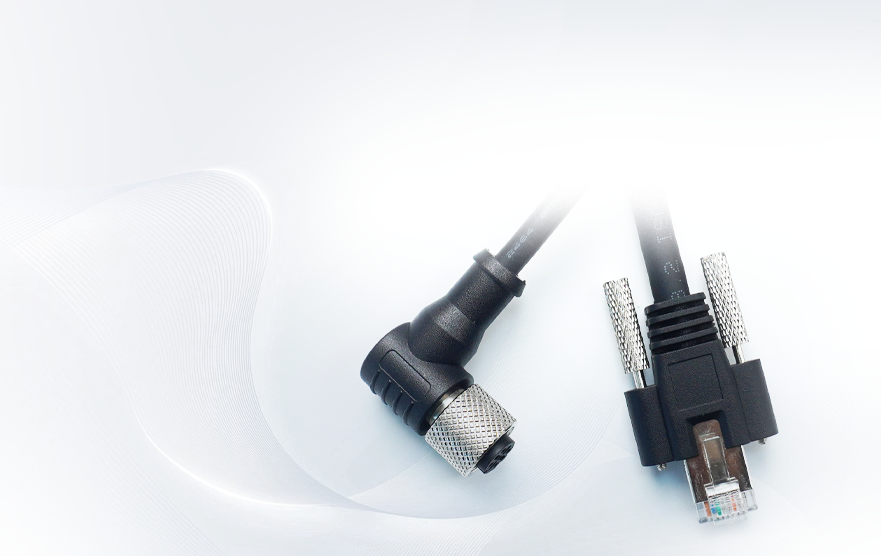
An M12 connector cable is a specialized cabling solution featuring a 12-millimeter circular connector with a locking thread design—engineered for secure, vibration-resistant connections in demanding environments. Unlike traditional RJ45 or standard cables, M12 cables are built to withstand extreme temperatures (from -40°C to 85°C), moisture, dust, corrosion, and mechanical stress, making them ideal for industrial and outdoor use cases. Their keyed coding system (e.g., A-code, B-code, D-code, X-code) ensures compatibility with specific applications, from sensor/actuator connections to high-speed Ethernet networks.
The importance of M12 connector cables lies in their ability to minimize downtime—a critical factor in industrial settings where operational interruptions can cost thousands of dollars per hour. With IP ratings ranging from IP67 to IP68, these cables offer 100% dust protection and can withstand immersion in water (up to 1.5 meters for 60 minutes in IP68 cases), making them suitable for washdown areas in food processing plants, outdoor renewable energy installations, and railway systems. Whether you’re connecting PLCs, encoders, or PoE-enabled surveillance cameras, M12 cables deliver the ruggedness and reliability modern industries demand.
Key Features of M12 Connector Cables
Before we discuss M12 connector cable price, it’s essential to understand the features that define these cables—since many of these attributes directly impact cost. Here are the most critical specifications to note:
- Coding Type: Different codes serve distinct purposes. A-code is used for sensors and actuators, B-code for process fieldbus connections, D-code for 100MB Ethernet, and X-code for 10GB high-speed Ethernet. Specialized codes (e.g., L-code for power) may cost more due to unique design requirements.
- Core Count/Pole Configuration: M12 cables are available in 2, 3, 4, 5, or 8-pole configurations. More poles mean higher manufacturing complexity and material usage, which can increase price.
- Cable Material: The jacket material plays a big role in performance and cost. PVC is an economical choice for low-vibration environments, while PUR (polyurethane) is more durable for drag chains, torsional stress, and harsh chemical exposure—making it a pricier option. Shielded cables (for EMI protection) also cost more than non-shielded versions.
- Length and Gauge: Standard lengths range from 0.5m to 20m+, with custom lengths available. Longer cables and thicker gauges (e.g., 22 AWG vs. 24 AWG) use more material, driving up costs.
- Customization: Overmolded designs, right-angle connectors (for tight spaces), custom color coding, or hybrid configurations (combining power and data) add complexity and increase price.
Factors That Determine M12 Connector Cable Price
Now that you understand the basics of M12 connector cables, let’s explore the primary factors that influence their pricing. Knowing these will help you identify which features are non-negotiable for your project and where you might be able to optimize costs.
Type, Coding, and Configuration
As mentioned earlier, the coding and configuration of an M12 cable are major price drivers. Basic A-code 4-pole cables (for standard sensor connections) are the most affordable, while specialized codes like X-code (for 10GB Ethernet) or L-code (for high-power applications) cost more due to advanced engineering. For example, a standard 4-pole A-code M12 cable with a PVC jacket will be significantly cheaper than an 8-pole X-code Cat6a cable designed for 10Gbps data transfer.
Material Quality and Durability
The materials used in the connector and cable directly impact cost. Connectors made from brass or stainless steel (for heavy-duty use) are more expensive than plastic alternatives. Contact pins plated with gold or silver (for better conductivity and corrosion resistance) also add to the price compared to standard metal plating. Cable jacket material is another factor: PUR jackets, which offer superior abrasion and chemical resistance, can cost 20-30% more than PVC jackets.
Brand and Quality Certification
Reputable brands that adhere to strict quality control standards and offer technical support typically charge a premium for their M12 connector cables. Cables certified to international standards like IEC 61076-2-101/104 also tend to cost more, but this certification ensures compatibility and reliability—critical for avoiding costly mismatches or failures. While off-brand options may seem cheaper upfront, they often lack durability and support, leading to higher long-term costs due to frequent replacements.
Order Quantity
Bulk purchasing is a key way to reduce M12 connector cable price. Manufacturers and suppliers often offer volume discounts for large orders (e.g., 100+ units) because they can lower unit production and shipping costs. For example, a single 1m A-code M12 cable might cost $15-$25, but ordering 50 or more could bring the unit price down to $10-$18. This is especially beneficial for large-scale projects like factory expansions or infrastructure upgrades.
Sales Channel
Where you buy your M12 connector cable also affects the price. Purchasing directly from the manufacturer often yields the most competitive rates, as it eliminates middlemen (distributors or retailers) who add markup. Online industrial marketplaces can also offer competitive pricing, but be sure to verify the supplier’s credibility and product authenticity. Avoid unauthorized resellers, as they may sell counterfeit or substandard cables that risk project failure.
2025 M12 Connector Cable Price Range
M12 connector cable price varies widely based on the factors above, but here’s a general price range to guide your budgeting (based on 2025 market data):
- Economical Options (PVC, Non-Shielded, Standard Coding): 0.5m-3m A-code or B-code 4-pole cables: $8-$20 per unit.
- Mid-Range Options (PUR, Shielded, Industrial Grade): 1m-5m D-code or X-code (100MB-1GB Ethernet) cables: $20-$50 per unit.
- Premium/Custom Options (IP68, High-Speed, Hybrid, Custom Lengths): 5m+ X-code (10GB Ethernet), L-code power cables, or overmolded right-angle designs: $50-$150+ per unit.
It’s worth noting that the overall M12 connector cable price trend has been steadily declining in recent years, thanks to advances in manufacturing technology and increased market competition. This means you can now find high-quality options at more affordable prices—if you know which features to prioritize.
How to Get the Best Value for Your M12 Connector Cable Investment
When it comes to M12 connector cable price, the goal isn’t always to find the cheapest option—it’s to find the cable that matches your project’s needs without overpaying for unnecessary features. Here are our top tips for getting the best value:
- Define Your Requirements Clearly: Start by identifying your application’s needs: What coding do you need? What IP rating is required? Will the cable be exposed to chemicals or extreme temperatures? By focusing on must-have features, you can avoid paying for premium upgrades (like PUR jackets or IP68 ratings) that you don’t need.
- Buy in Bulk When Possible: If your project requires multiple cables, leverage volume discounts to lower your unit cost. Even small bulk orders (20-50 units) can yield significant savings.
- Choose a Reputable Supplier: Partner with a trusted supplier or manufacturer that offers transparent pricing, quality certifications, and technical support. This reduces the risk of buying counterfeit cables and ensures you get help if you need custom configurations.
- Consider Pre-Made vs. Custom: Pre-made cables are often cheaper and faster to procure than custom lengths or designs. Only opt for customization if your project has unique spatial or performance requirements.
Final Thoughts on M12 Connector Cable Price
The M12 connector cable is an essential investment for any industrial or harsh-environment connectivity project—and understanding the factors that influence M12 connector cable price is key to making a smart purchase. By first familiarizing yourself with the cable’s features and applications, then evaluating how coding, material, quantity, and supplier choice impact cost, you can balance performance and budget effectively.
If you’re ready to explore M12 connector cable options tailored to your project, our team of connectivity experts is here to help. We offer a full range of standard and custom M12 cables, with transparent pricing and volume discounts available. Contact us today for a personalized quote, and let’s find the perfect solution for your needs.

Apply Here For A Custom Made Solution

Shenzhen Torvenics Electronic Co.,Ltd.
615 Block A, No.11 Tangkeng Road,Henggang Longgang Dist,Shenzhen China