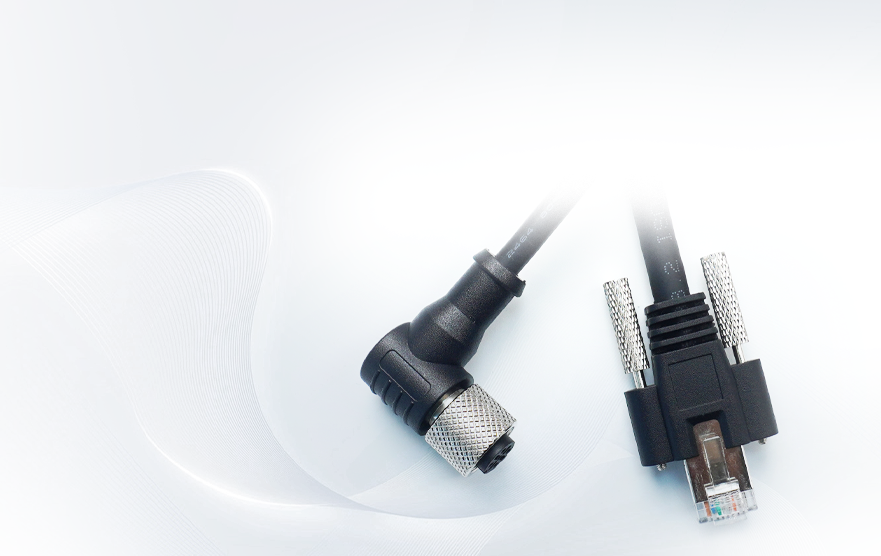
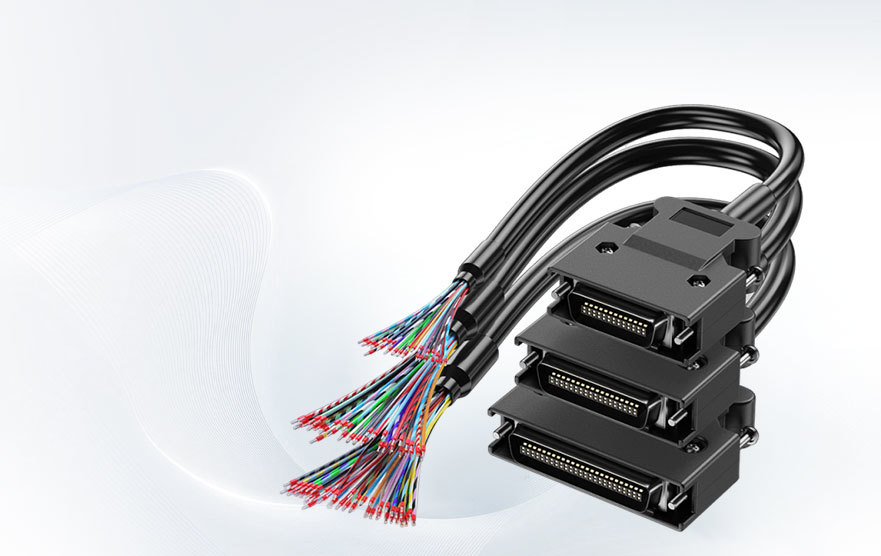
In modern imaging, automation, and precision photography systems, reliable signal transmission is essential. A shutter cable is a critical component that connects cameras, sensors, and control systems to ensure accurate triggering and synchronization. As imaging systems evolve toward higher speed and greater precision, the demand for customized solutions continues to grow. This is where custom shutter cable design plays a crucial role. Torven specializes in designing and manufacturing high-performance shutter cables tailored for professional and industrial applications. This guide explains the key considerations, technical parameters, and engineering practices involved in designing custom shutter cables.
Understanding Shutter Cables and Their Function
A shutter cable is an electrical connection used to trigger a camera’s shutter or synchronize imaging devices with external systems. It ensures that signals are transmitted accurately and without delay between devices.
In professional imaging systems, even microsecond-level delays can affect image quality. Therefore, the design of a shutter cable for camera systems must prioritize signal integrity, shielding, and mechanical reliability.
Shutter cables are widely used in:
Professional photography systems
Industrial machine vision
Scientific imaging equipment
High-speed motion capture systems
Automated inspection systems
As imaging technology advances, demand for precision and durability continues to increase.
Designing a high-quality shutter cable requires balancing electrical performance, mechanical durability, and environmental resistance.
Signal Integrity
Signal transmission stability is the most critical requirement. Poor signal quality may result in missed triggers or inconsistent exposure timing. Designers must ensure:
Low resistance conductors
Stable impedance matching
Minimal signal distortion
This is especially important in high-performance imaging environments.
Shielding and Noise Resistance
Electromagnetic interference (EMI) is a major challenge in imaging systems. Proper shielding is essential to maintain signal accuracy.
Common shielding methods include:
Braided copper shielding
Aluminum foil shielding
Multi-layer composite shielding
These structures help reduce noise from surrounding electronic devices.
Mechanical Flexibility and Durability
Shutter cables often operate in dynamic environments where bending and movement are frequent. Therefore, mechanical design must ensure:
High flex life (bend cycles)
Resistance to twisting and pulling
Compact and flexible jacket materials
High durability is particularly important in robotics and automated imaging systems.
Material Selection in Shutter Cable Design
Material choice directly affects cable performance, lifespan, and reliability.
Typical materials include:
Conductors: Oxygen-free copper for low resistance
Insulation: PVC, TPE, or silicone for flexibility
Shielding layer: Copper braid or aluminum foil
Outer jacket: Wear-resistant polymer for environmental protection
High-quality materials are essential for ensuring stable performance inPhotography Accessoriesused in professional environments.
High-Speed Performance Requirements
With the rise of automated imaging systems and high-frame-rate cameras, cable performance must support faster signal transmission.
High-speed shutter cable production considerations include:
Reduced signal delay
Optimized impedance control
Enhanced shielding density
Precision connector alignment
Modern high speed Shutter cable production focuses on minimizing latency and ensuring precise synchronization between devices.
Connector Types and Interface Compatibility
Connector design is another key aspect of custom shutter cable engineering. Different camera systems require different interface standards.
Common connector types include:
2.5mm and 3.5mm audio-style connectors
Multi-pin industrial connectors
Proprietary camera interfaces
Locking screw-type connectors for stability
A well-designed connector ensures stable electrical contact and prevents accidental disconnection during operation.
Environmental Adaptability
Shutter cables are often used in environments with varying conditions. A reliable design must account for:
Temperature resistance
Humidity protection
UV resistance
Chemical resistance (in industrial settings)
This ensures long-term reliability even under harsh operating conditions.
Application Scenarios in Photography and Industry
Custom shutter cables are widely used across multiple fields. In professional imaging, they are an essential part of system integration.
Key applications include:
Professional photography studios
Wildlife and sports photography setups
Industrial machine vision systems
Laboratory imaging equipment
Automated inspection lines
In the field of Photography Accessories, shutter cables are essential for ensuring accurate timing between camera systems and external triggers.
Quality Control and Testing Standards
To ensure performance consistency, manufacturers implement strict quality control processes.
Common testing procedures include:
Electrical continuity testing
Signal transmission delay measurement
Bend cycle durability testing
EMI resistance evaluation
Connector insertion/extraction testing
Torven applies rigorous testing standards to ensure each cable meets professional-grade reliability requirements.
Customization Options in Shutter Cable Design
Customization is one of the most important aspects of modern shutter cable production. Different users require different configurations depending on their application.
Common customization options include:
Cable length adjustment
Connector type selection
Shielding level customization
Jacket material selection
Color and labeling options
Flexible or reinforced structure design
These options allow users to tailor cables precisely to their system requirements.
Future Trends in Shutter Cable Technology
The future of shutter cable design is closely tied to advancements in imaging and automation technologies.
Key trends include:
Ultra-low latency signal transmission
Lightweight and ultra-flexible materials
Smart cable monitoring systems
Integration with AI-based imaging systems
Higher durability for industrial automation
As imaging systems become more complex, demand for advanced high speed Shutter cable production will continue to grow.
Conclusion
Custom shutter cable design is a critical component in modern imaging systems, ensuring accurate signal transmission, system stability, and high-speed performance. From material selection to shielding design and connector engineering, every detail affects overall system reliability.
Torven provides professional-grade solutions tailored to meet the demands of modern imaging systems, offering high-performance products across photography, industrial automation, and scientific applications.
As imaging technology continues to evolve, custom shutter cables will remain an essential element in enabling precise, high-speed, and reliable visual systems.